
When discussing President Franklin D. Roosevelt and Haiti, historians usually focus on both the positive and negative
aspects of his policy.
The U.S. occupation of Haiti began in 1915 under President Woodrow Wilson and lasted nearly 19 years. During the occupation, the United States controlled many aspects of Haiti’s finances, military affairs, and government administration. Haitians frequently resisted the occupation, leading to protests and armed uprisings.
After becoming president in 1933, Franklin D. Roosevelt introduced the “Good Neighbor Policy,” which sought to reduce direct U.S. intervention in Latin America and the Caribbean. Under this policy, Roosevelt negotiated the withdrawal of U.S. Marines from Haiti. The last Marines left Haiti on August 15, 1934.
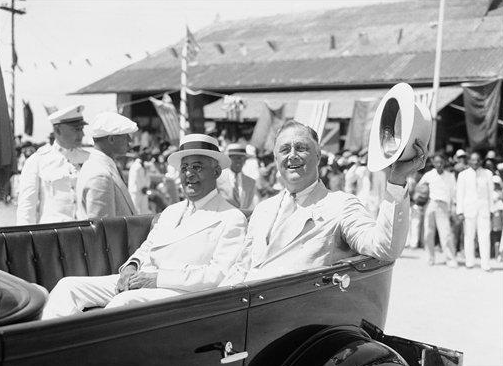
This decision was welcomed by many Haitians because it formally restored Haitian sovereignty and ended nearly two decades of military occupation. Roosevelt even visited Cap-Haïtien in July 1934 before the final withdrawal.
Many Haitian historians point out that although Roosevelt ended the military occupation, the United States continued to influence Haiti’s finances after 1934. American financial advisers remained involved in overseeing Haitian debt and finances for years afterward. Haiti did not regain full control of its external finances until 1947.
Critics therefore argue that Roosevelt ended the visible military occupation but not all forms of American influence over Haiti.
Many Haitians remember Roosevelt as the U.S. president who finally ended the occupation. However, they also remember that:
For Haiti, the story of Roosevelt is complex:
For many Haitian scholars, Roosevelt’s most significant action regarding Haiti was not starting the occupation but ending it, making 1934 a major milestone in Haiti’s long struggle to recover full sovereignty.
Franklin D. Roosevelt’s policy toward Haiti did not begin and end with the withdrawal of U.S. troops in 1934. His approach was part of a broader shift in U.S. foreign policy in the Caribbean known as the Good Neighbor Policy, but it still carried several important economic, political, and institutional consequences for Haiti.
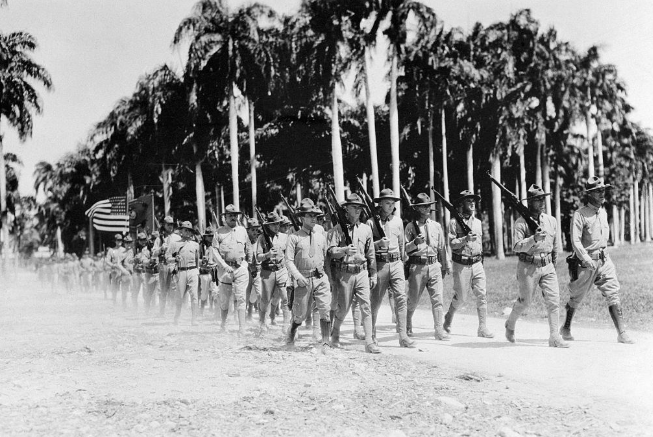
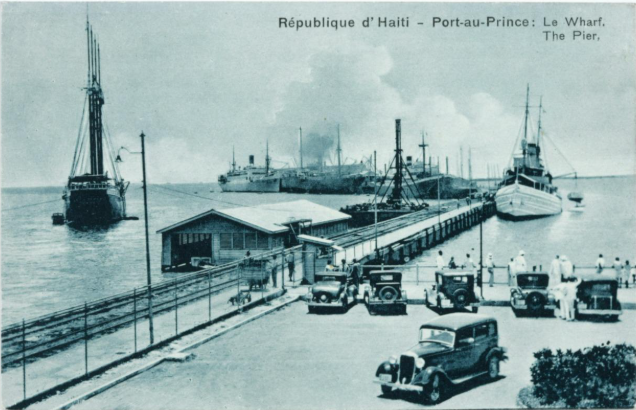
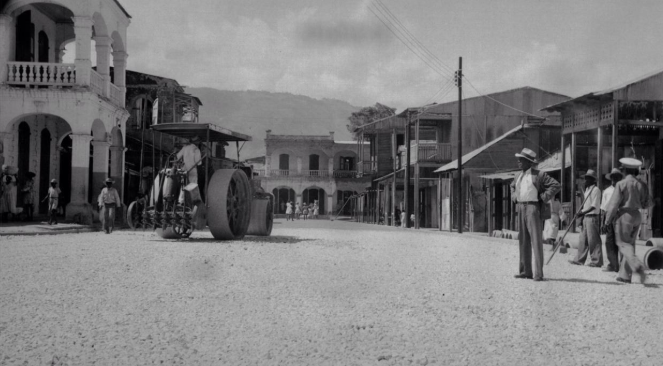
Roosevelt is best known for negotiating the end of the U.S. military occupation of Haiti (1915–1934). However, the withdrawal of troops did not mean a full end of American influence.
This reflects Roosevelt’s pragmatic goal: reduce visible intervention while maintaining stability and U.S. strategic interests in the Caribbean.
Even after Roosevelt ended the occupation, the financial system created during the intervention remained largely intact.
Key points:
Roosevelt’s policy did not immediately dismantle the financial structure created under the occupation—it was phased out gradually.
Treaty Revisions and Haitian Sovereignty
Roosevelt’s administration worked with Haitian President Sténio Vincent to formalize the end of U.S. military presence.
However, some agreements ensured continued American advisory influence, especially in fiscal matters, for several years afterward.
Many of the infrastructure projects that began during the occupation were left in place and expanded cautiously under the post-occupation period.
These included:
While these projects improved infrastructure, they were originally designed under U.S. strategic priorities, not Haitian-led development planning.
Roosevelt supported dismantling the Garde d’Haïti (Haitian military force) that had been reorganized under U.S. supervision during the occupation.
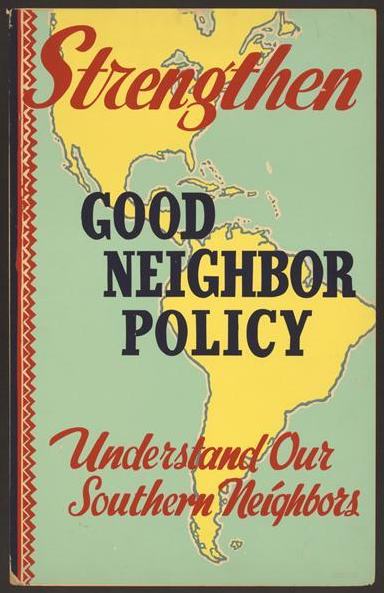
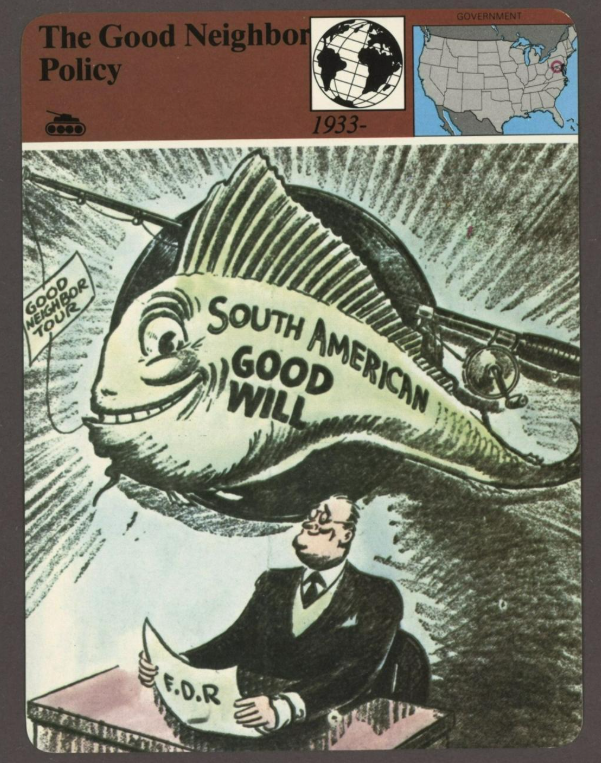
Roosevelt’s Haiti policy was part of a broader diplomatic shift:
In Haiti, this meant:
Many Haitian historians and scholars argue Roosevelt’s reforms were partial, not complete liberation.
Criticisms include:
In this view, Roosevelt ended visible control, but not all structural influence.
Roosevelt’s policies left a mixed legacy:
Positive outcomes:
Ongoing challenges:
Roosevelt’s Haiti policy is best understood as a transition strategy rather than a full reset:
For Haiti, this period marks the end of foreign military rule, but also the beginning of a more complex form of economic and institutional influence that lasted well beyond 1934.