Visual Heritage

This section will showcase:

  • Historical illustrations of the revolution 
  • Portraits of Haitian leaders 
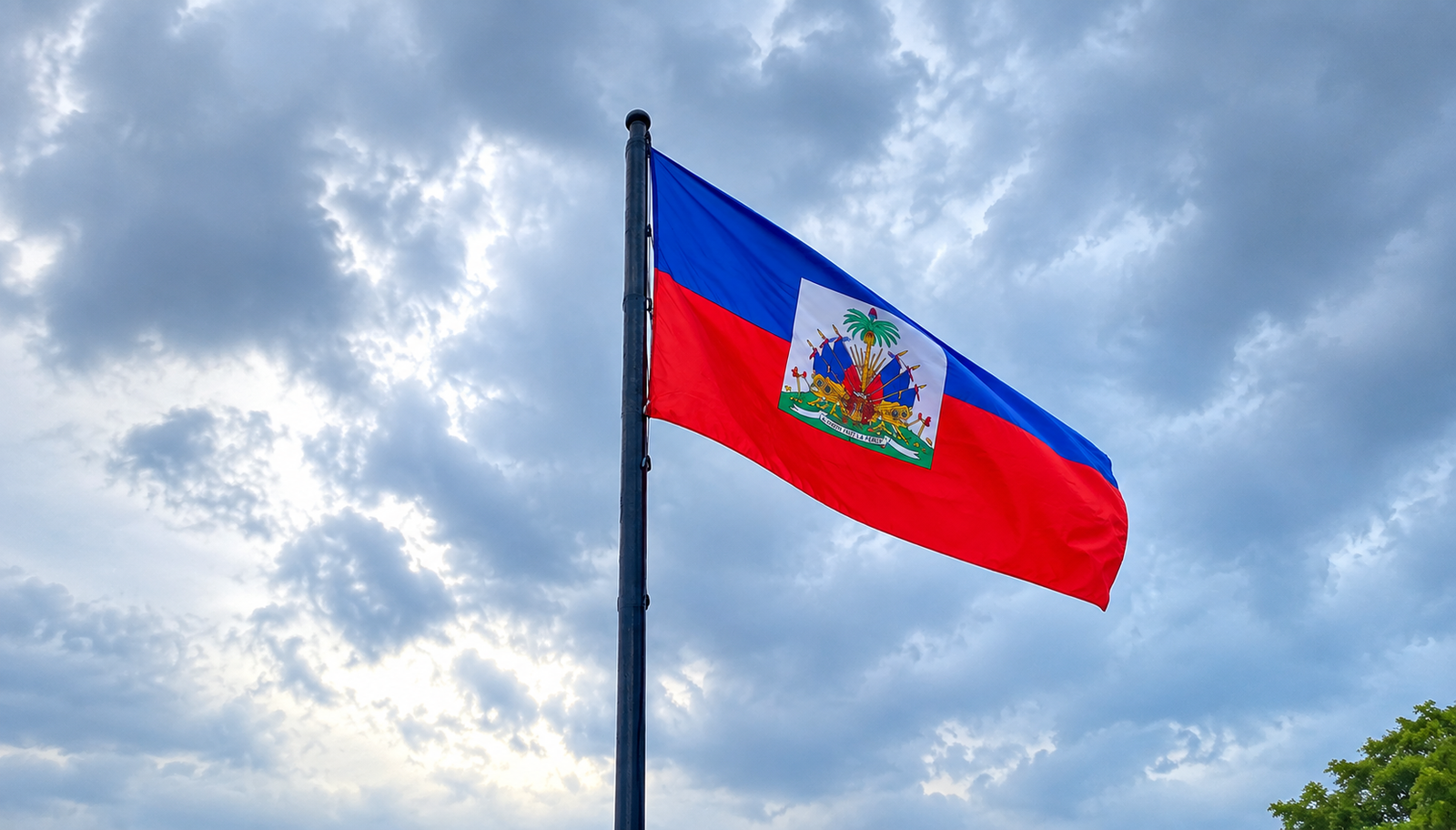
  • The evolution of the Haitian flag 
  • Important battle scenes and locations 

Haiti is more than a nation—it is a symbol of freedom, resilience, and human dignity.

1804 is not just history. It is a legacy that belongs to the world.

Haitian Flag History

The Birth of a Symbol of Freedom

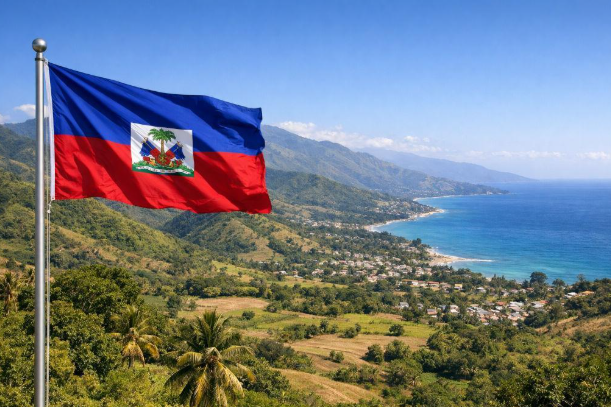
The Haitian flag is one of the most powerful symbols of liberty in world history. It was created during the Haitian Revolution, embodying the unity, resistance, and independence of a people determined to break free from slavery and colonial rule.

According to tradition, in 1803, Jean-Jacques Dessalines took the French tricolor flag and removed the white band , representing the colonial oppressors leaving only blue and red. His goddaughter, Catherine Flon, is said to have sewn the first Haitian flag, uniting the remaining colors as a powerful statement of freedom and unity.


Meaning of the Colors

  • Blue represents the Black population of Haiti 
  • Red represents the mixed-race population 
  • Together, they symbolize unity between all Haitians in the fight for freedom 

The removal of white symbolized the rejection of colonial oppression and the birth of an independent nation.
 

A Flag of Unity and Strength

The original design featured horizontal blue and red bands. Later versions of the flag included the national coat of arms in the center, displaying palm trees, cannons, and the revolutionary motto:

“L’Union Fait La Force” (Unity Makes Strength)

This motto reflects the spirit that carried Haiti to victory and continues to define the nation today.


Evolution of the Flag

  • 1803–1804: Blue and red horizontal flag created during the revolution 
  • 1805: Under Jean-Jacques Dessalines, the flag briefly changed to black and red 
  • 1806 onward: Blue and red restored after Dessalines’ death 
  • Modern flag: Blue and red with the coat of arms centered on a white panel 


A Global Symbol of Freedom

The Haitian flag is more than a national emblem—it is a universal symbol of resistance against oppression. It represents the only successful slave revolution in history and stands as a beacon of hope for all people seeking liberty and justice.
Flag Day

Haiti celebrates its flag every year on May 18, a national holiday honoring unity, pride, and independence. On this day, Haitians across the world raise the flag in remembrance of their ancestors’ courage and sacrifice.

Closing Reflection

The Haitian flag is not just fabricit is a declaration of freedom.

It tells the story of a people who refused to be broken, who united against injustice, and who created a nation that changed the course of human history.

Citadelle Laferrière

A Monument of Freedom and Strength

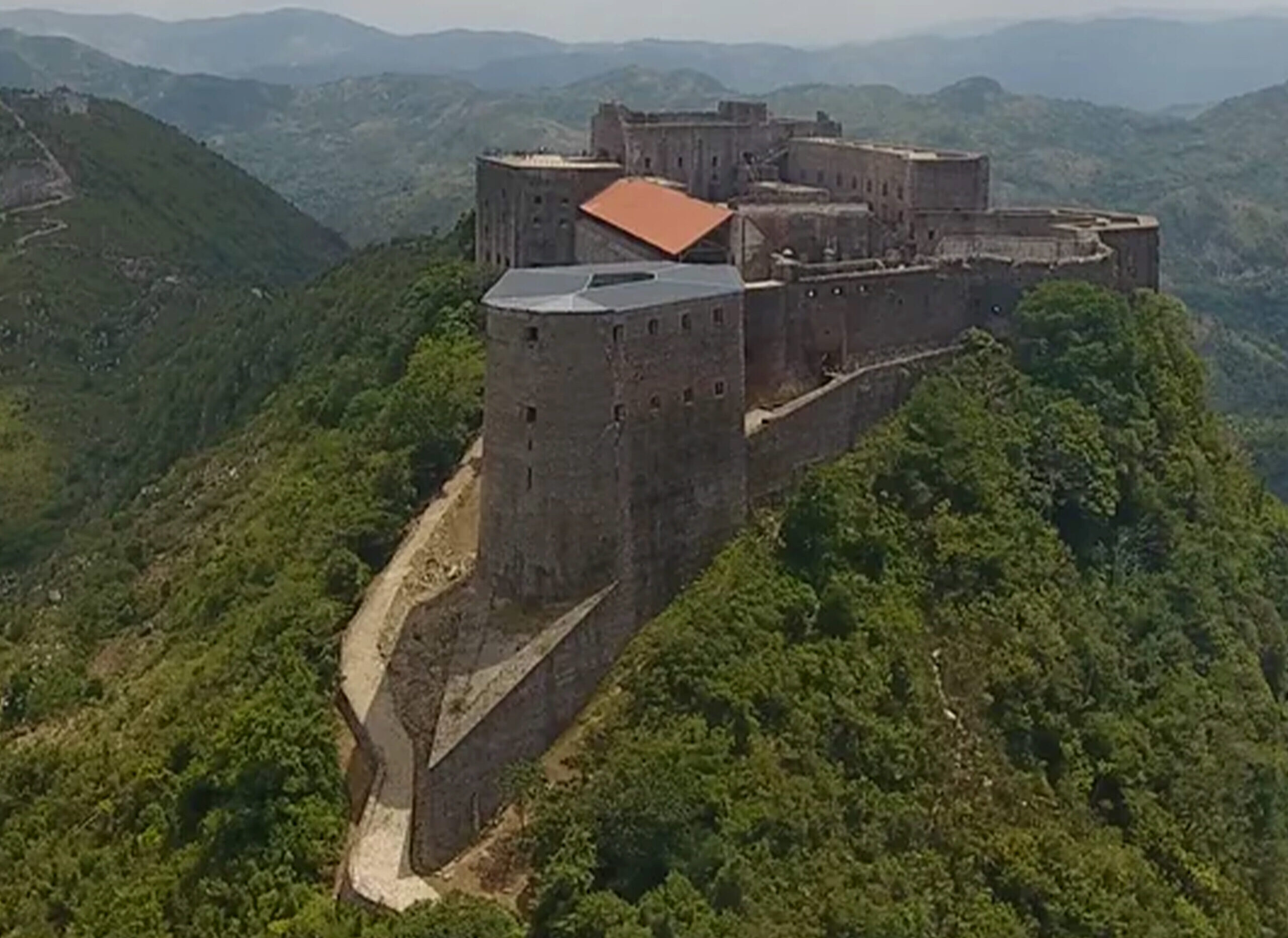
The Citadelle Laferrière stands as one of the most extraordinary symbols of Haiti’s independence and resilience. Perched high atop the Bonnet à l’Evêque mountain in northern Haiti, this massive fortress overlooks the surrounding landscape as a reminder of the nation’s hard-won freedom.

Built in the years following the Haitian Revolution, the Citadelle represents Haiti’s determination to defend its sovereignty against any attempt to restore slavery or colonial rule.

Built by a King, For a Free Nation

The fortress was commissioned by Henri Christophe, one of the प्रमुख leaders of the revolution who later became King of northern Haiti. Construction began around 1805 and required the labor and ingenuity of thousands of Haitians.

Christophe envisioned the Citadelle as a strategic stronghold—a place where the newly independent nation could resist a potential invasion by France, which still sought to reclaim its former colony.

An Architectural Marvel

  • Built at an altitude of about 3,000 feet (900 meters) 
  • Walls reach up to 130 feet (40 meters) high 
  • Designed to house thousands of soldiers 
  • Stockpiled with cannons and supplies for long-term defense 

The Citadelle is considered the largest fortress in the Americas and one of the most impressive military structures in the world.

A UNESCO World Heritage Site

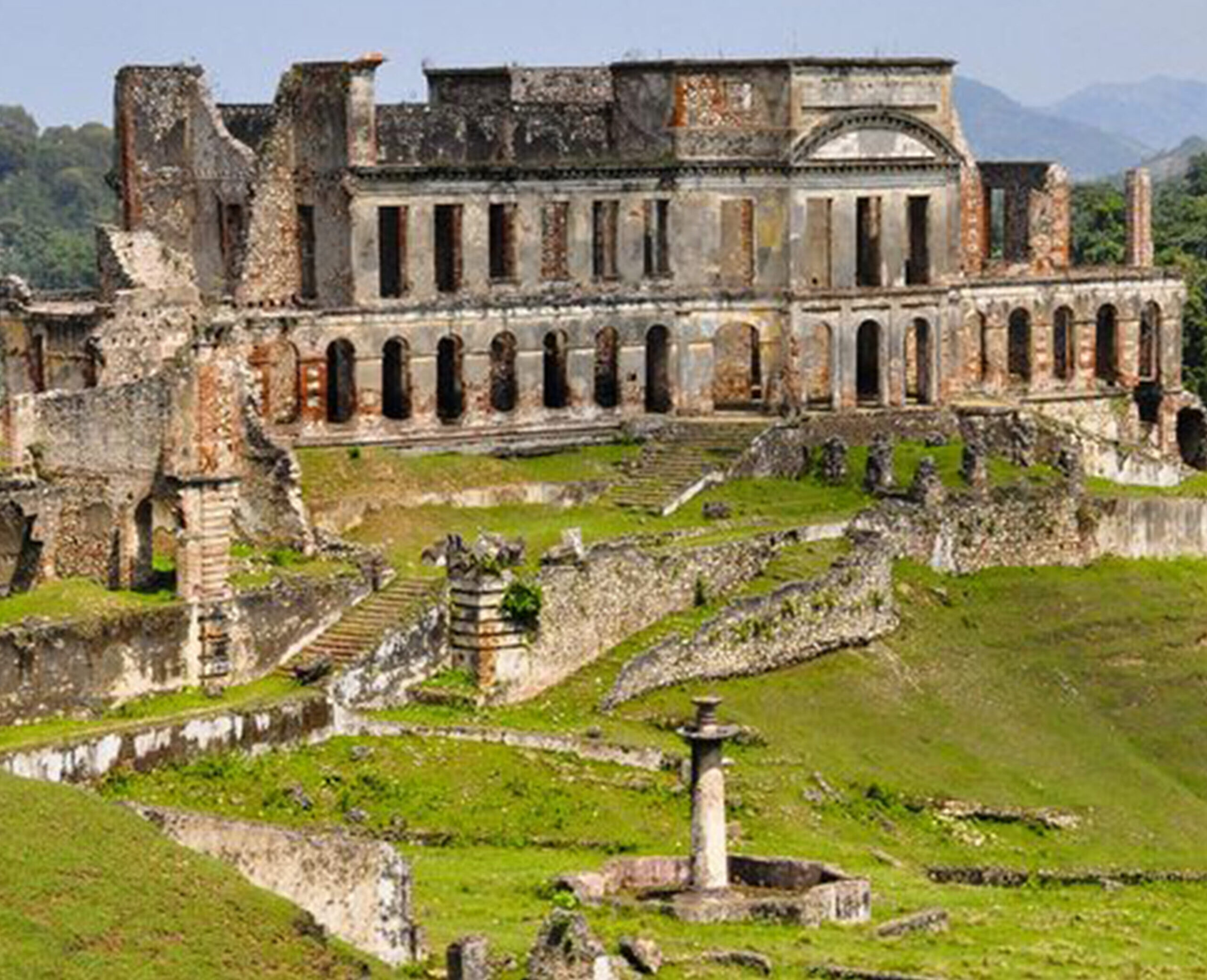
Today, the Citadelle is part of the UNESCO World Heritage Site known as the Citadelle Laferrière and Sans-Souci Palace. It attracts visitors from around the globe who come to witness its scale, beauty, and historical significance.

Symbol of Resistance

More than a fortress, the Citadelle is a symbol:

  • Of resistance against oppression 
  • Of the courage, strength and vision of a newly free people 
  • Of Haiti’s refusal to ever return to slavery 

It embodies the spirit of a nation that chose dignity over submission.

Legacy

Though it was never used in battle, the Citadelle fulfilled its purpose—it stood as a powerful deterrent and a lasting statement to the world:

Haiti would defend its freedom at all costs.
Closing Reflection

The Citadelle Laferrière is not just stone and mortar—it is a monument to human courage, sacrifice, and independence.

It rises above Haiti as a timeless guardian of liberty.

Section Overview