Haiti's contribution to the liberation of Latin America is one of the most significant yet least recognized chapters in
world history.
After becoming independent in 1804 under leaders such as Jean-Jacques Dessalines, Haiti became the first free Black republic and the second independent nation in the Western Hemisphere after the United States. Haiti viewed its own freedom as inseparable from the freedom of other oppressed peoples.
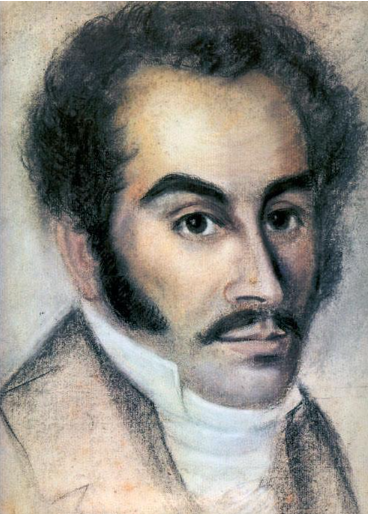
The most important example is Haiti’s support for Simón Bolívar.
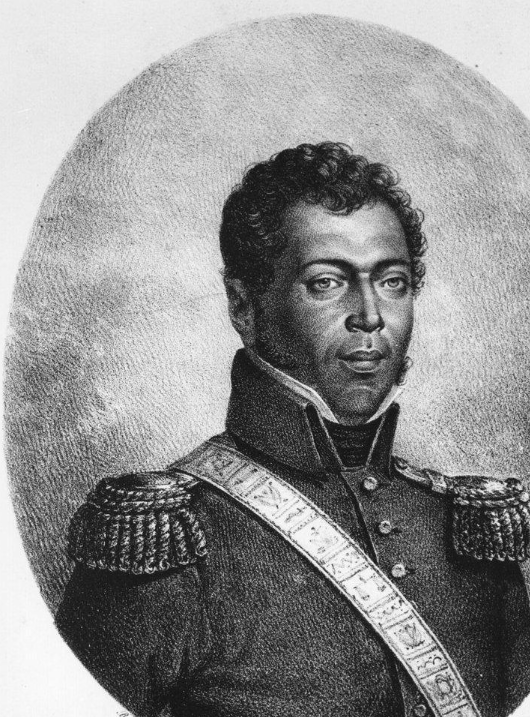
In 1815, after suffering major defeats against Spain, Bolívar arrived in Haiti seeking refuge and assistance. Haitian President Alexandre Pétion welcomed him, provided him with asylum, weapons, ammunition, ships, money, printing presses, and Haitian volunteers. Pétion asked only one thing in return: that slavery be abolished in the territories liberated by Bolívar.
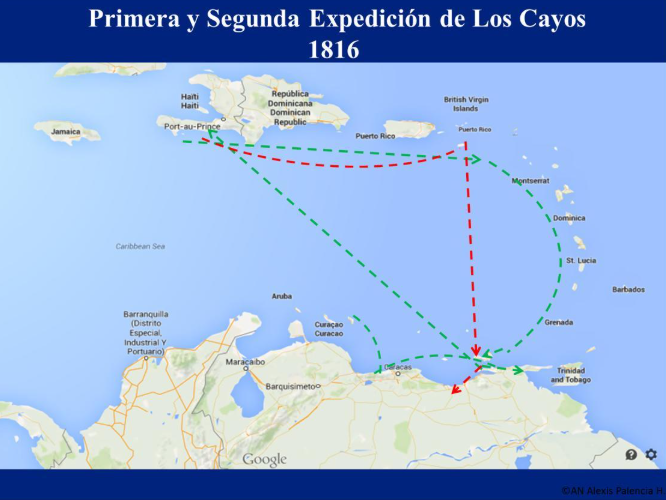
From the Haitian cities of Les Cayes and Jacmel, Bolívar organized the expeditions that revived his independence movement. Historians widely recognize that Haitian support was crucial to the success of his campaigns.
Because of Haiti’s support, Bolívar was able to continue the struggle that led to the liberation of:
Many historians therefore consider Haiti a key supporter of the independence of much of northern and western South America.
Among Latin American countries, Venezuela has been particularly vocal in recognizing Haiti’s role.
Venezuelan leaders have repeatedly honored Alexandre Pétion and acknowledged that Bolívar’s successful return to South America was made possible by Haitian assistance. Venezuelan officials continue to commemorate Pétion as a major contributor to Venezuelan independence.
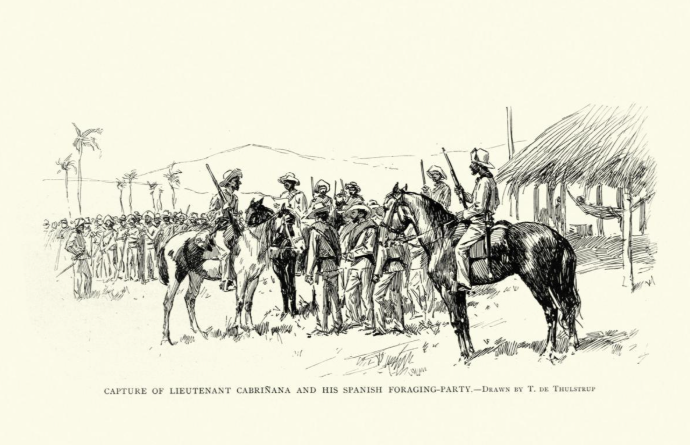
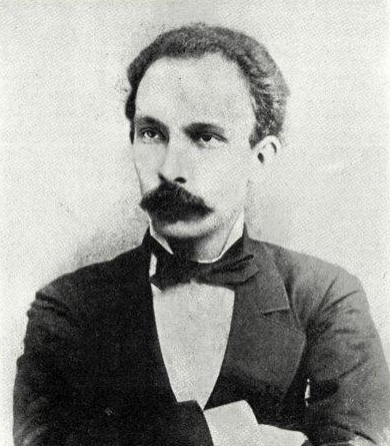
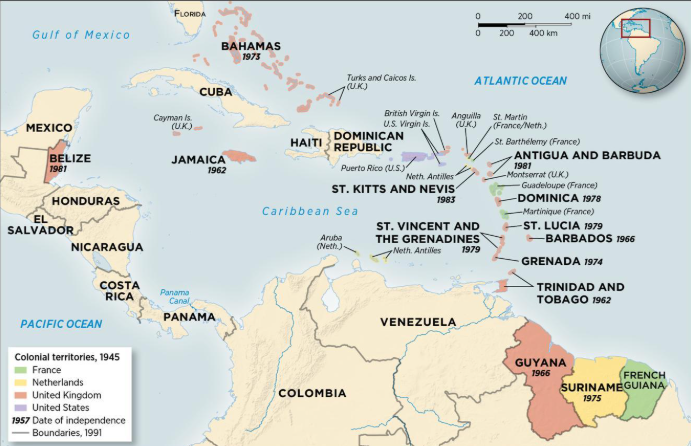
Haiti did not directly send military expeditions that liberated Cuba as it did for Bolívar’s movement. However, Haiti’s successful revolution inspired Cuban independence leaders and demonstrated that colonial rule and slavery could be defeated.
The Haitian Revolution profoundly influenced debates about slavery and independence throughout the Caribbean, including Cuba. Haiti became a symbol of resistance and freedom for many anti-colonial movements.
Haiti also provided refuge and support to Dominican patriots during parts of the struggle against renewed Spanish rule in the 1860s, although the relationship between Haiti and the Dominican Republic was complex and often contentious.
The influence of Haiti extended beyond direct military aid.
The Haitian Revolution:
Many historians argue that without Haiti’s support in 1815–1816, Bolívar’s liberation movement might have collapsed. Haiti, despite being a poor and diplomatically isolated young republic, chose to help others fight for freedom. The aid provided by Alexandre Pétion helped shape the future of several modern nations.
As Bolívar reportedly wrote regarding Pétion’s assistance:
“Should I not tell posterity that Alexandre Pétion is the liberator of my country?”
This legacy places Haiti among the great contributors to the independence movements of the Americas, not only for its own freedom in 1804, but also for its support of struggles for liberty throughout Latin America and the Caribbean.