The Battle of Vertières
November 18, 1803 — The Battle That Defended Freedom
The Battle of Vertières, fought on November 18, 1803, stands as one of the most consequential battles in the
history of human freedom.
It was the decisive final major battle of the Haitian Revolution, a revolution in which enslaved and formerly enslaved people fought against colonial domination and ultimately established an independent nation. The victory at Vertières opened the final path to the proclamation of Haitian independence on January 1, 1804.
But Vertières was more than a military victory.
It was a declaration to the world that freedom could not be permanently denied to a people simply because of the color of their skin or the condition into which they had been born.
The Struggle Behind Vertières
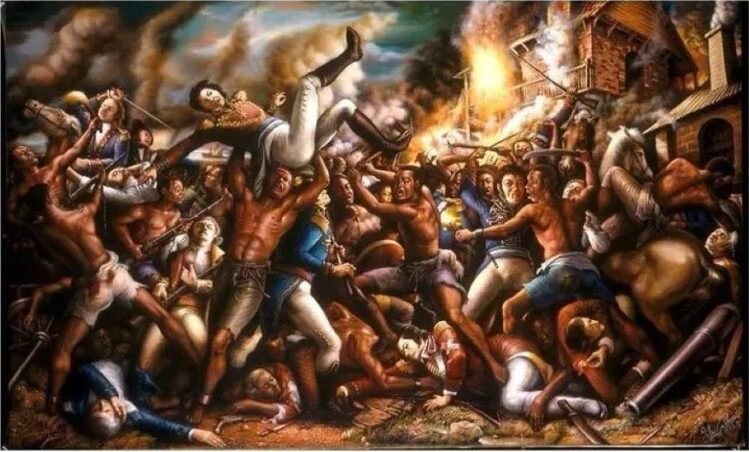
Before Haiti became an independent nation, Saint-Domingue was a French colony and one of the most economically important colonies in the Americas. Its extraordinary wealth depended heavily upon a brutal system of plantation slavery.
In 1791, an enormous uprising of enslaved people began in Saint-Domingue. The revolution developed into a complex and devastating conflict involving revolutionary forces, colonial authorities, France, Spain, Britain, and competing political groups.
The revolutionary struggle eventually became inseparable from the fight against slavery.
In 1793, French commissioners in Saint-Domingue proclaimed the abolition of slavery, and in 1794, the French National Convention extended abolition throughout the French colonies. Yet emancipation remained vulnerable because political and military forces could change.
The Haitian Revolution therefore continued to fight for something even more fundamental:
Not merely emancipation proclaimed by a government, but freedom protected by an independent people.
From Toussaint Louverture to Jean-Jacques Dessalines
The revolutionary movement produced extraordinary leaders.
General Toussaint Louverture became one of its most important military and political leaders. His leadership helped organize the revolutionary forces and establish a political foundation for emancipation.
Although Toussaint was captured and died in a French prison in 1803, the movement he helped build continued.
General Jean-Jacques Dessalines emerged as the principal leader of the final struggle for independence. Alongside commanders including Henri Christophe, Alexandre Pétion, and François Capois-La-Mort, Dessalines led Haitian forces against Napoleon Bonaparte’s expeditionary army.
The objective was clear:
Prevent the restoration of French colonial domination and slavery.
Napoleon’s Attempt to Restore French Power
Napoleon Bonaparte sent a massive military expedition to Saint-Domingue in 1802.
The French campaign sought to restore French authority over the colony. The wider historical context made the threat especially significant because slavery had already been abolished in the colony and the revolutionaries feared that French military victory could reverse their freedom.
The Haitian revolutionaries therefore understood that they were fighting for more than political control.
They were fighting for the survival of their emancipation.
The United States Department of State’s historical account describes the Haitian Revolution as a slave revolt that ultimately produced an independent state and notes that the Haitian victory contributed to Napoleon’s decision to abandon his ambitions in North America, including the sale of the Louisiana Territory.
General François Capois-La-Mort
November 18, 1803: Vertières
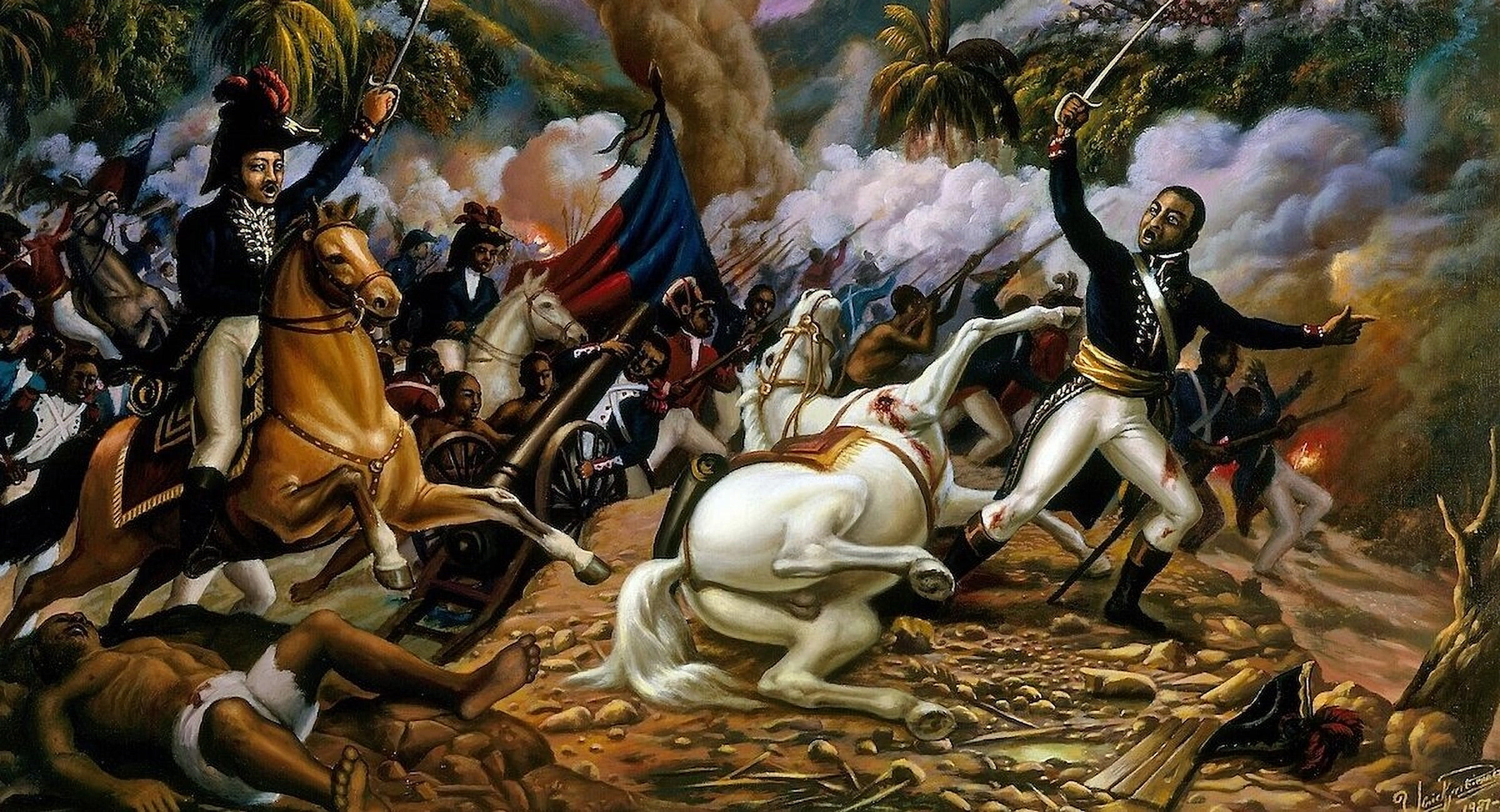
At Vertières, Haitian revolutionary forces confronted the French army in the final major confrontation of the revolution.
The Haitian forces fought with extraordinary determination.
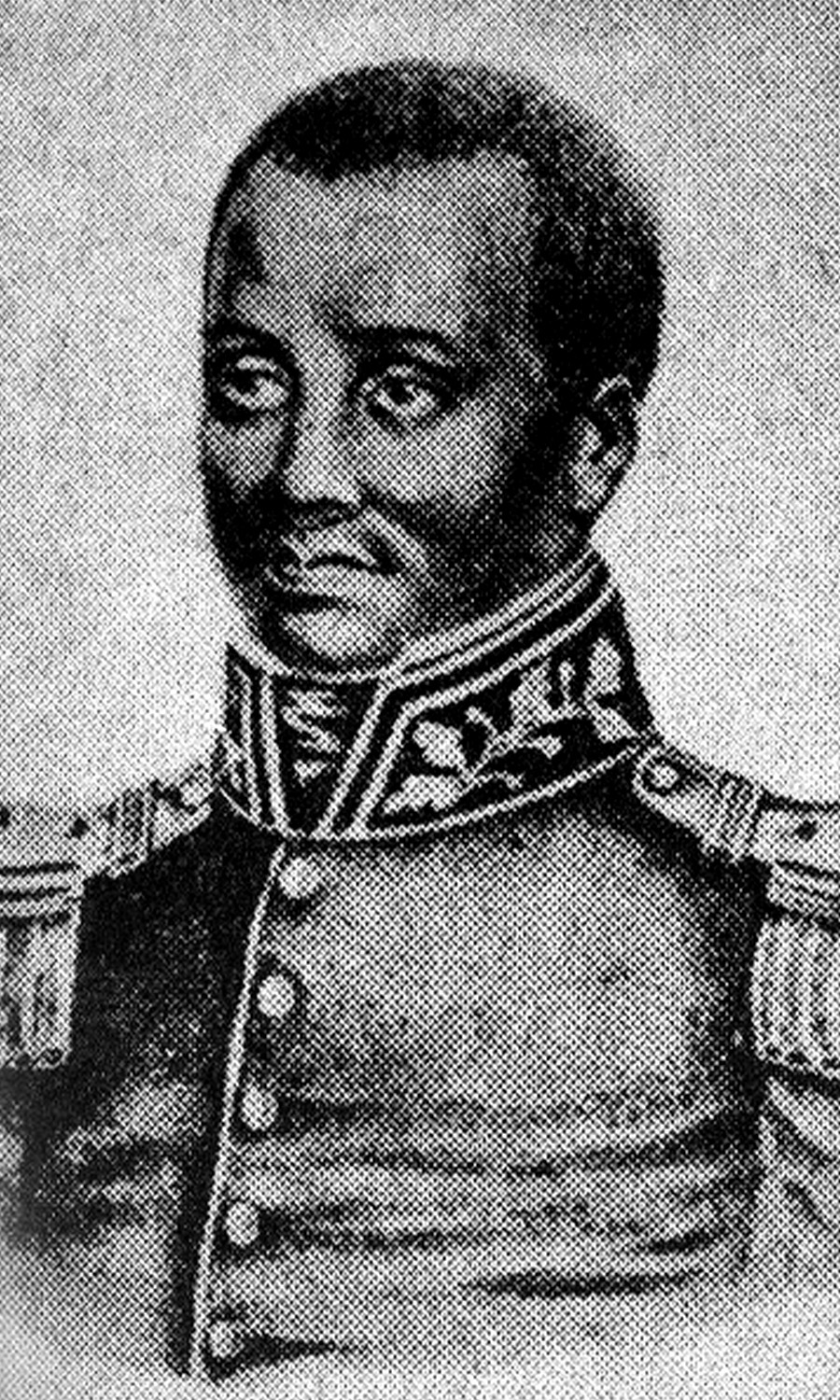
Among the leaders associated with this final campaign was General François Capois-La-Mort, whose courage became legendary. His fearless leadership during the battle helped make Vertières one of the most celebrated episodes in Haitian military history.
The victory demonstrated that the French expedition could not reestablish effective control over Saint-Domingue.
The road to independence was now open.
Less than two months later, on January 1, 1804, Jean-Jacques Dessalines proclaimed the independence of Haiti.
Why Vertières Matters to the History of Freedom
The significance of Vertières extends far beyond Haiti.
The Haitian Revolution created something unprecedented in the modern Atlantic world: a state born from a successful revolution of enslaved people that achieved both emancipation and national independence.
UNESCO has described Haiti’s revolutionary achievement as unique in world history and has recognized the Haitian struggle as an important event in the history of human rights and the abolition of slavery. UNESCO has also stated that the shock waves from the Haitian Revolution contributed significantly to the nineteenth-century movement toward abolition and the dismantling of the slave order.
That is why Vertières should be remembered as part of the broader history of humanity’s struggle for freedom.
Vertières and the Universal Principle of Equality
At the heart of the Haitian Revolution was a revolutionary proposition:
Human dignity cannot depend upon race.
The Haitian Revolution challenged the idea that slavery could coexist with claims of liberty and equality.
It forced the world to confront a profound contradiction: How could governments speak about freedom while millions of human beings were enslaved?
Haiti’s revolutionaries answered that contradiction through action.
They fought for the principle that freedom must belong to everyone.
This makes Vertières relevant not only to Haitian history but also to the continuing global struggle for:
Equality.
Human dignity.
Self-determination.
Freedom from slavery.
Freedom from colonial domination.
Recognition of the equal worth of every human being.
Haiti as a Beacon of Freedom
Haiti’s achievement became a powerful symbol throughout the Atlantic world.
The Haitian Revolution demonstrated that people who had been enslaved could organize, fight, govern themselves, and establish an independent nation.
It challenged assumptions about race, political power, military capability, and the supposed permanence of slavery.
UNESCO has recognized the Haitian Revolution as a struggle whose universality lies in its defense of freedom and dignity.
The significance of this achievement was understood even by the international community long afterward. UNESCO’s historical reflections on Haiti have described the country’s independence as an extraordinary event in which formerly enslaved people achieved both freedom and national independence through their own struggle.
Vertières and the Abolition of Slavery
It is important to understand the historical sequence.
1791: The Haitian Revolution begins.
1793: Slavery is abolished in Saint-Domingue.
1794: The French government extends abolition throughout the French colonies.
1802: Napoleon’s expedition attempts to restore French control, creating the threat of reversing emancipation.
November 18, 1803: Haitian forces achieve the decisive victory at Vertières.
January 1, 1804: Haiti declares independence.
Thus, Vertières was not the date slavery was first abolished in Saint-Domingue. Rather, it was the decisive military victory that helped secure the revolutionary transformation and prevent the restoration of French colonial rule.
A Victory for the Idea of Freedom
The men and women of the Haitian Revolution did not fight only for a change of government.
They fought for the right to determine their own destiny.
They fought against a system that had treated human beings as property.
They fought for the dignity of people who had been denied their humanity.
And at Vertières, their military victory helped transform those principles into the foundation of an independent nation.
That is why the meaning of Vertières continues to resonate more than two centuries later.
The Moral Meaning of Vertières Today
The world continues to struggle with discrimination, racism, exploitation, inequality, and violations of human rights.
The story of Vertières reminds us that freedom is not an abstract idea.
Freedom has a human cost.
It requires courage.
It requires unity.
It requires sacrifice.
And it requires people willing to stand against injustice even when the odds appear impossible.
The Haitian Revolution teaches another important lesson:
No people should be considered permanently destined for oppression.
The people of Haiti changed what the world believed was possible.
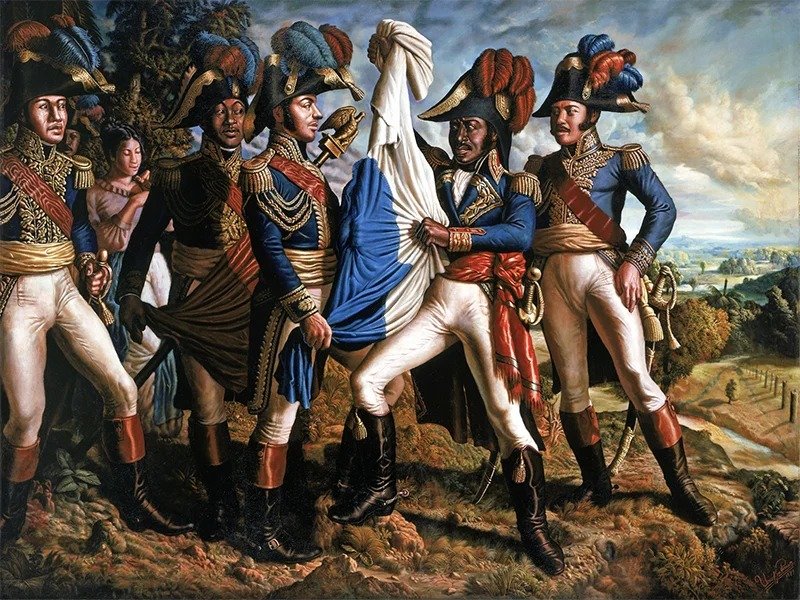
Haiti: A Mother of Freedom
For 1804 Heritage LLC, Haiti’s history deserves to be presented as part of humanity’s shared heritage.
Haiti can rightfully be described as a beacon of freedom and, in a commemorative and philosophical sense, as a mother or cradle of liberty because of the extraordinary example created by its revolution.
This does not diminish the many other struggles for freedom throughout history. Instead, it recognizes Haiti’s unique contribution to the global story.
The Haitian Revolution gave humanity an extraordinary example of formerly enslaved people winning both their freedom and national independence.
That achievement belongs not only to Haiti.
It belongs to human history.
The Legacy of November 18, 1803
Every November 18, we should remember the soldiers and civilians who sacrificed for freedom.
We should remember Toussaint Louverture, whose revolutionary leadership laid important foundations.
We should remember Jean-Jacques Dessalines, who led the final struggle and proclaimed independence.
We should remember Capois-La-Mort, whose courage at Vertières became legendary.
We should remember Henri Christophe, Alexandre Pétion, and the thousands of known and unknown revolutionaries who fought for the birth of Haiti.
And above all, we should remember the countless men and women whose names history may never record but whose courage made freedom possible.
November 18, 1803
The Battle of Vertières
A Victory Against Slavery.
A Victory for Independence.
A Victory for Human Dignity.
A Victory That Changed World History.
Haiti’s independence demonstrated that the struggle for freedom could transform the world.
The legacy of Vertières challenges every generation to defend the principle that all human beings are entitled to freedom, dignity, equality, and justice.
1804 Heritage LLC
Preserving Haiti’s Legacy. Inspiring the World.
Haiti — A Heritage of Freedom.