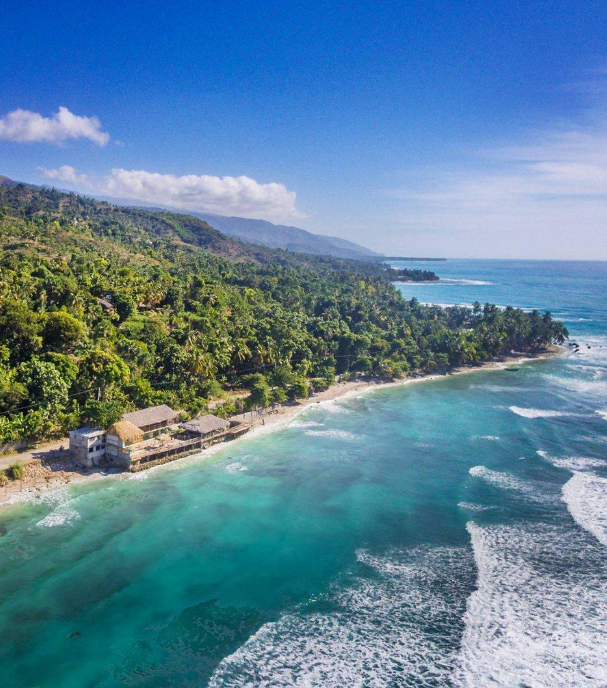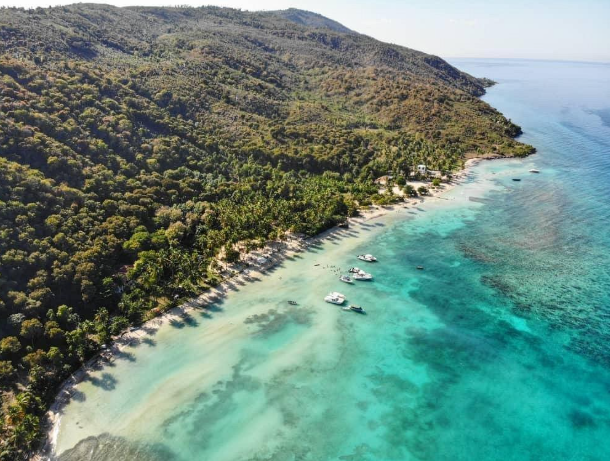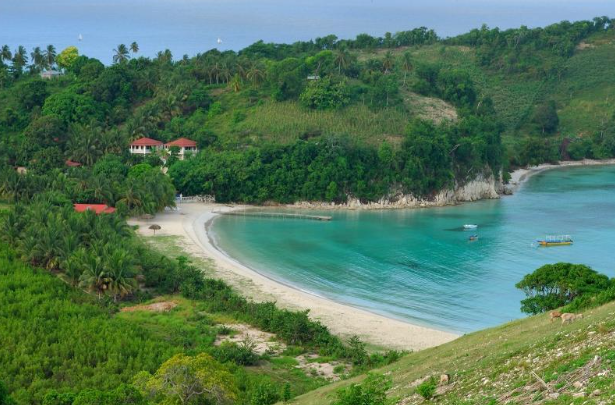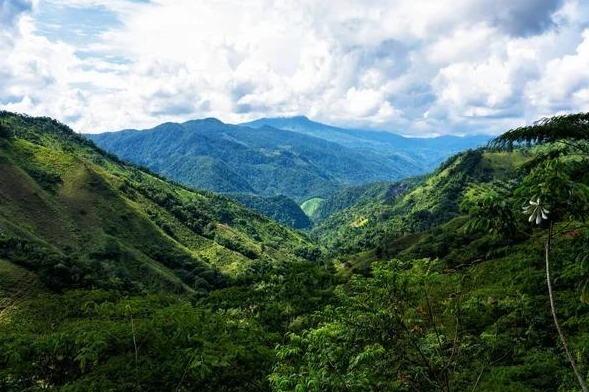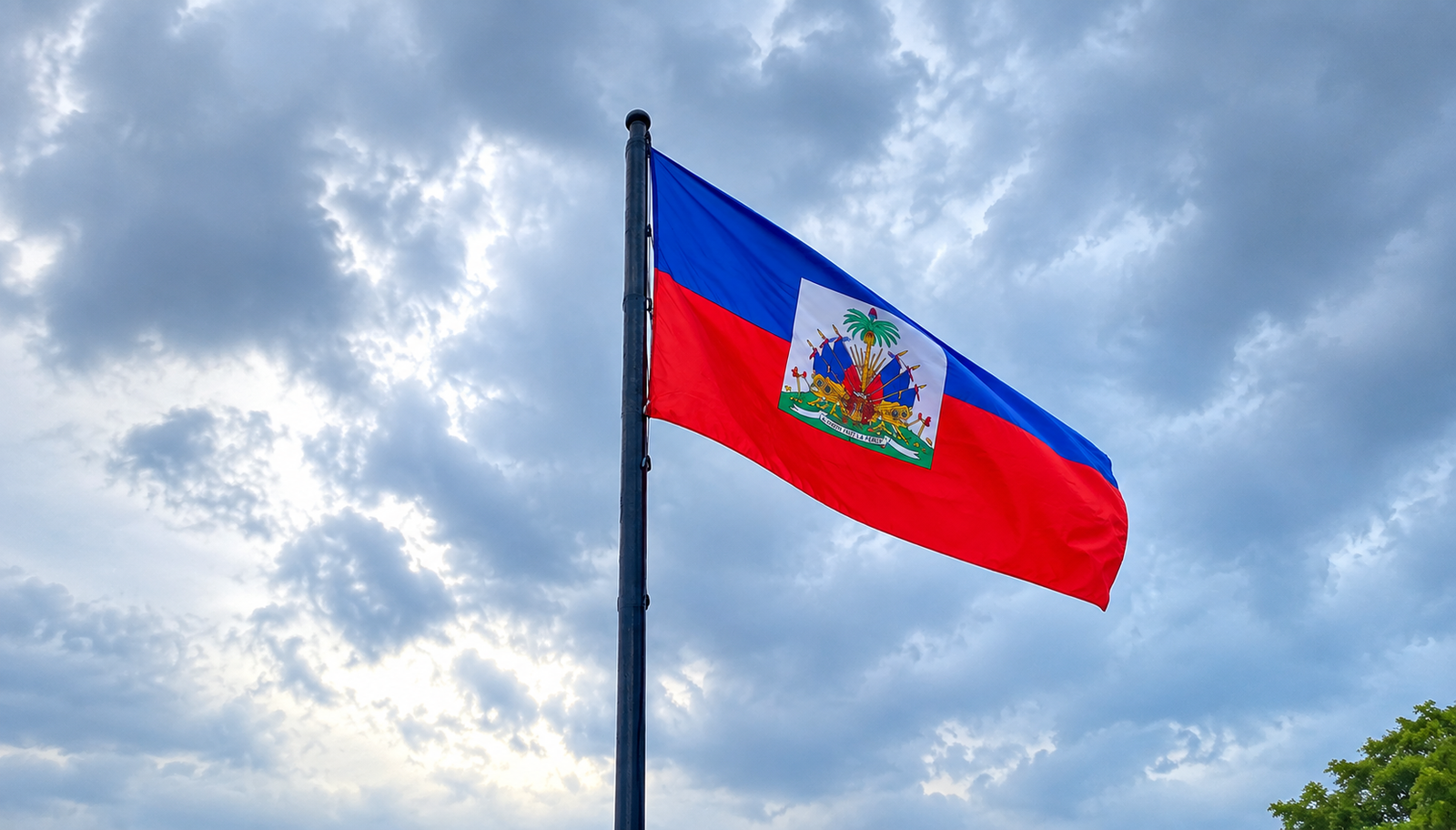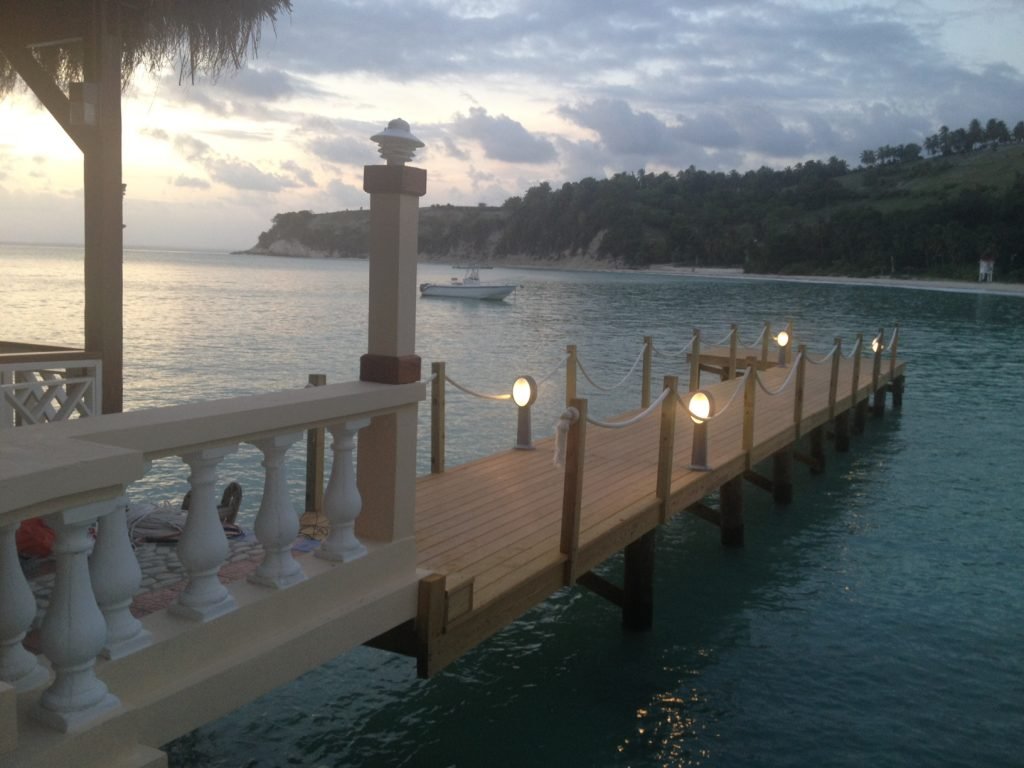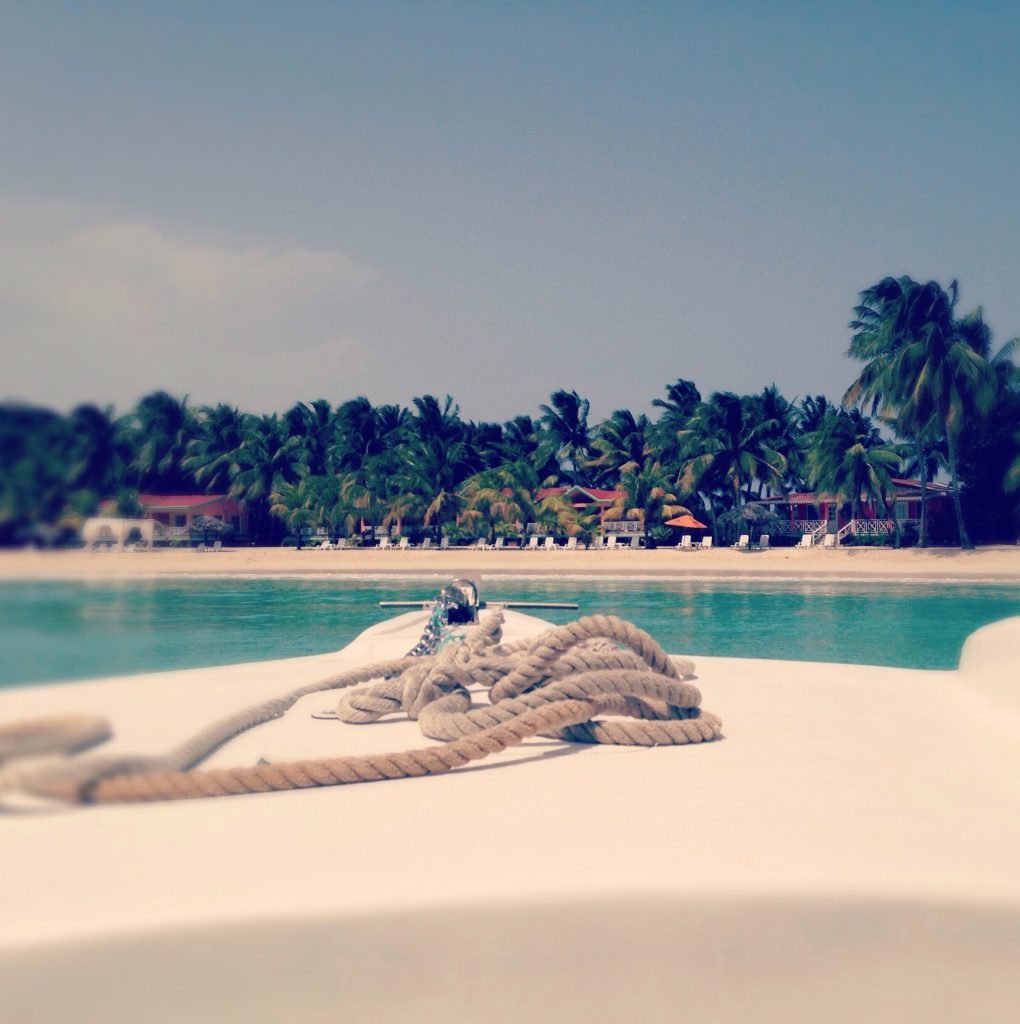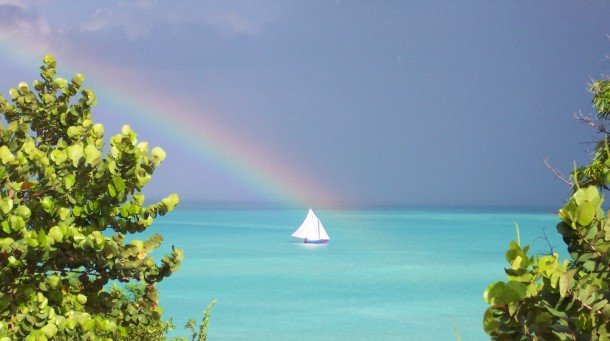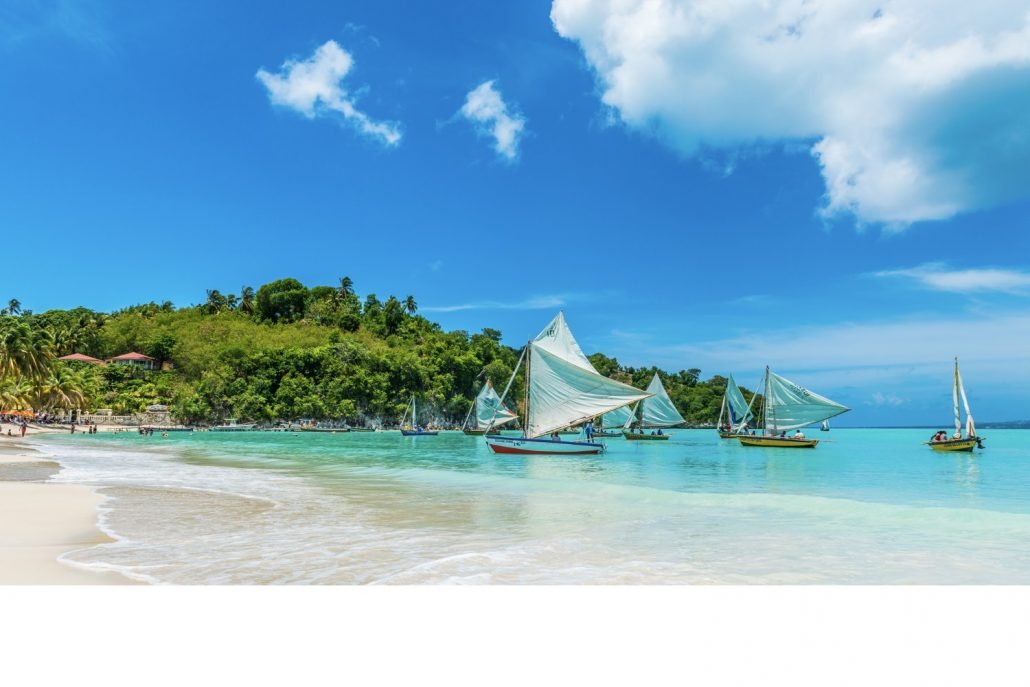
Haiti, the Pearl of the Antilles, is a land whose history, beauty, courage, and cultural legacy have profoundly shaped the Caribbean and the world.
Known historically as Ayiti, Haiti is the first independent Black republic in the modern world and the nation born from the only successful large-scale slave revolution in history. On January 1, 1804, Jean-Jacques Dessalines proclaimed Haiti’s independence, transforming the former French colony of Saint-Domingue into a symbol of freedom and human dignity.
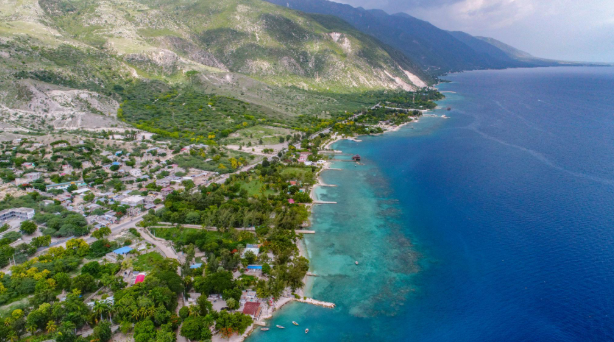
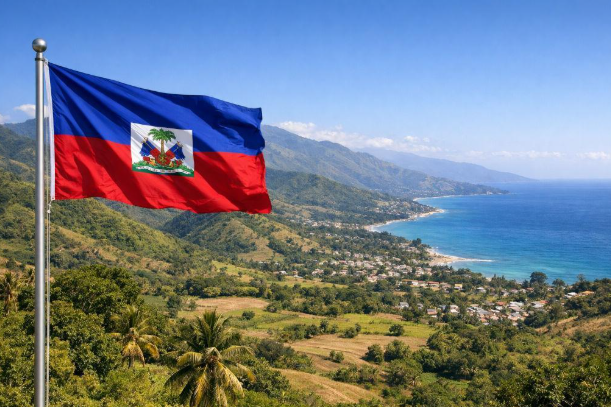
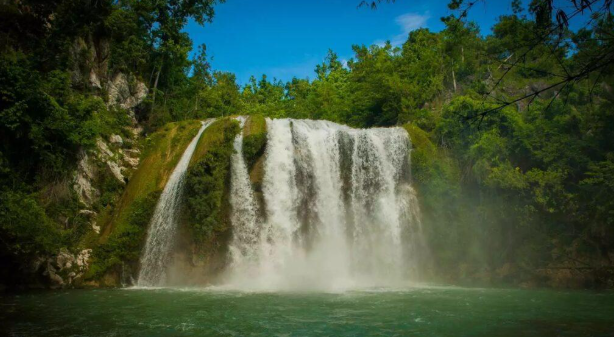
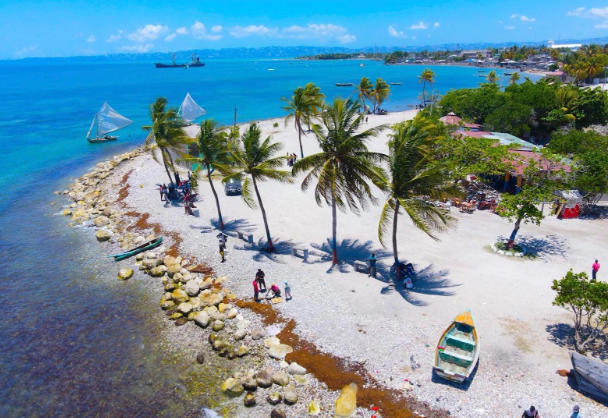
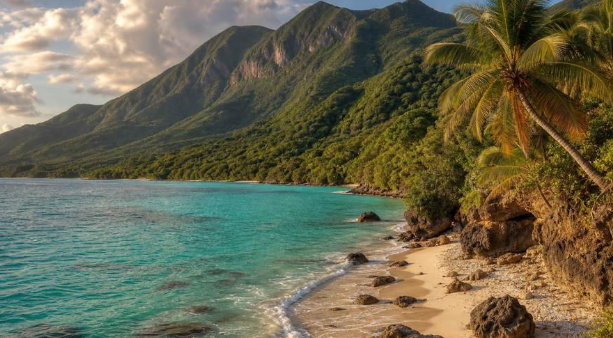
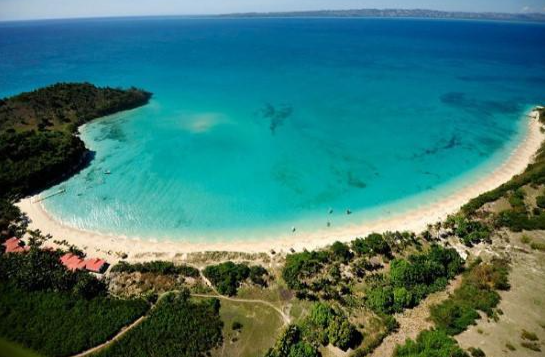
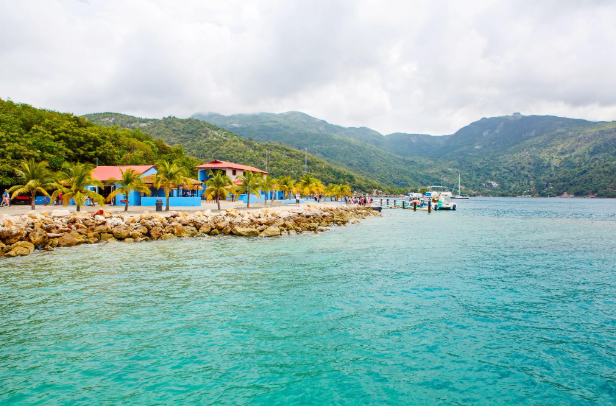
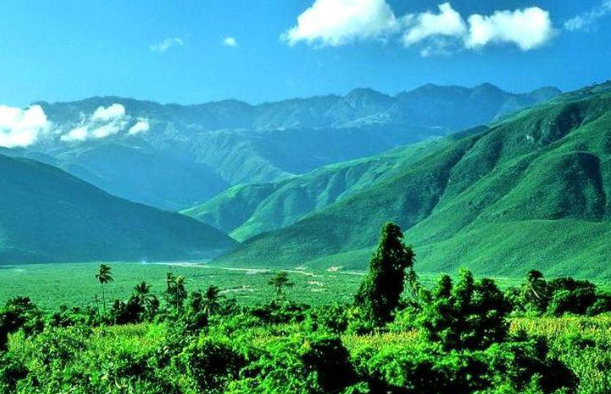
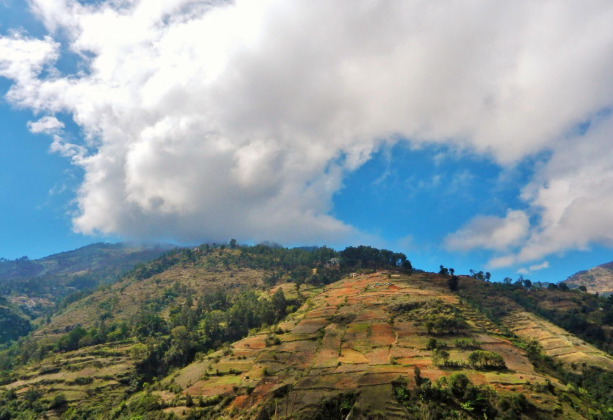
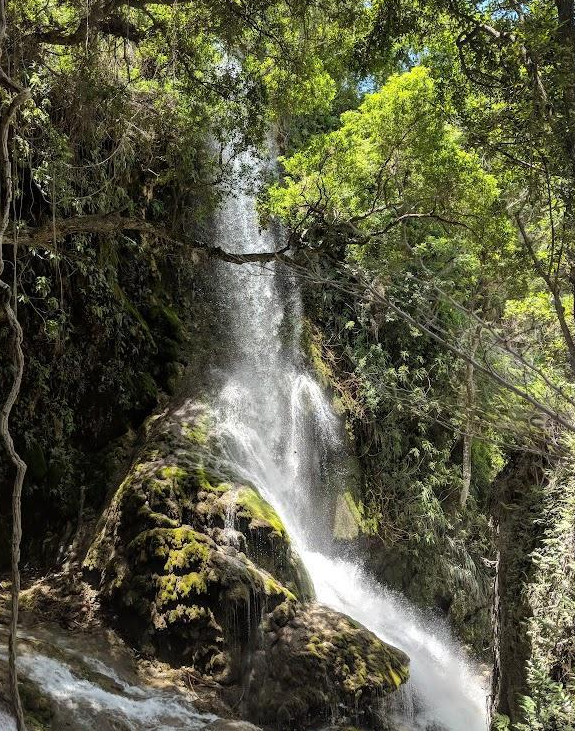
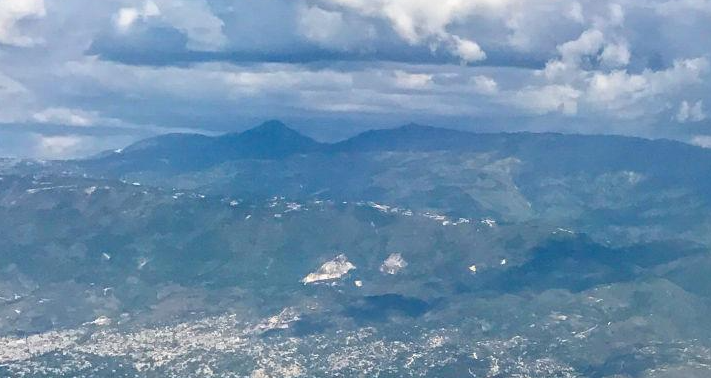
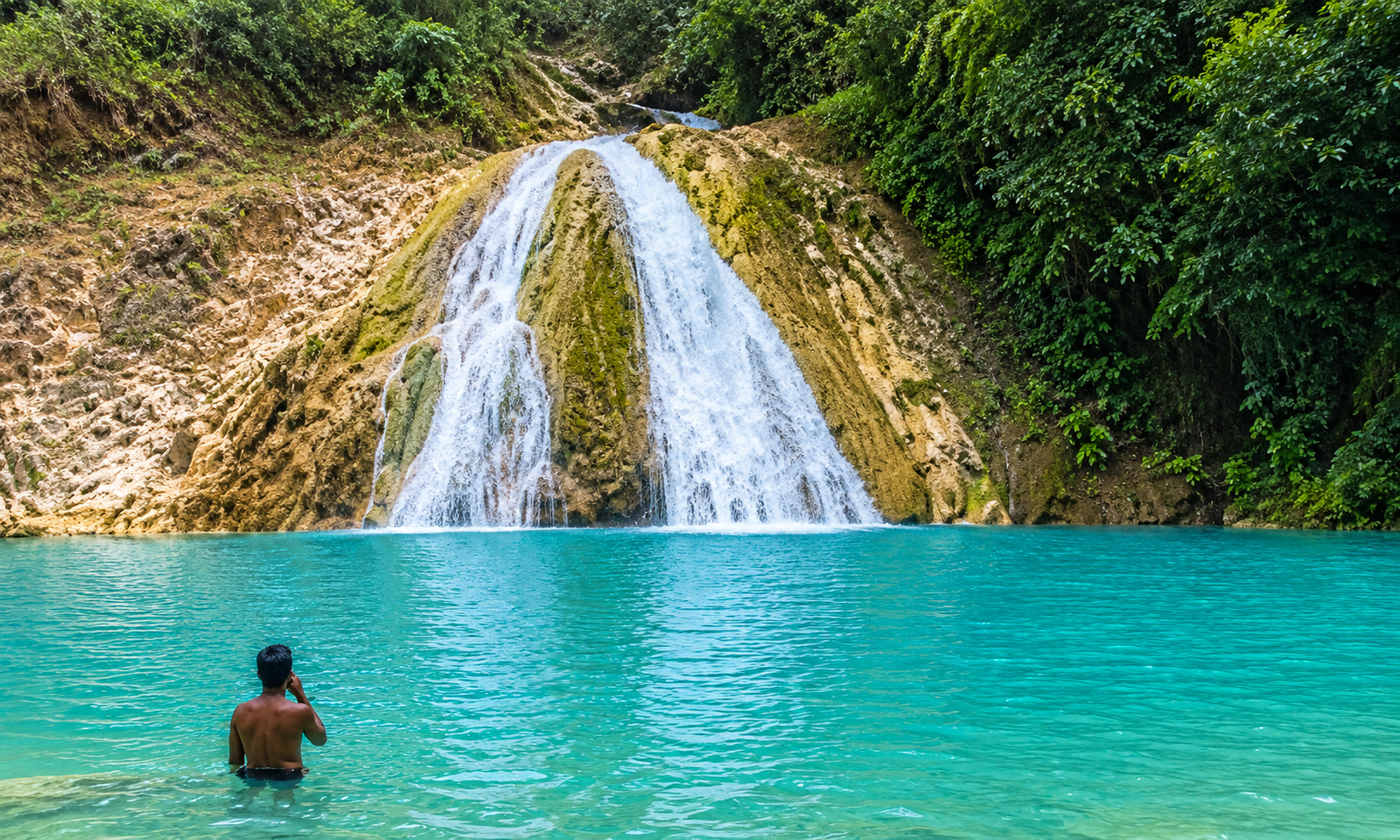
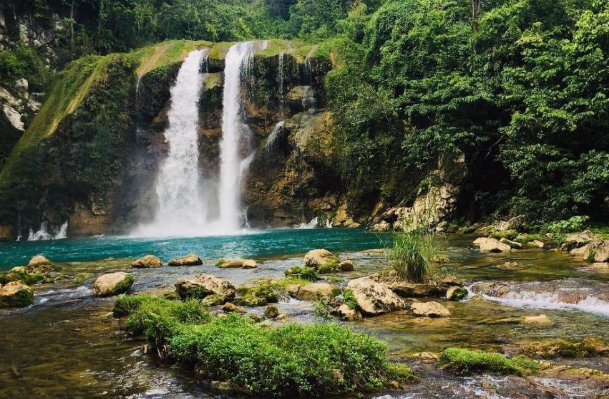
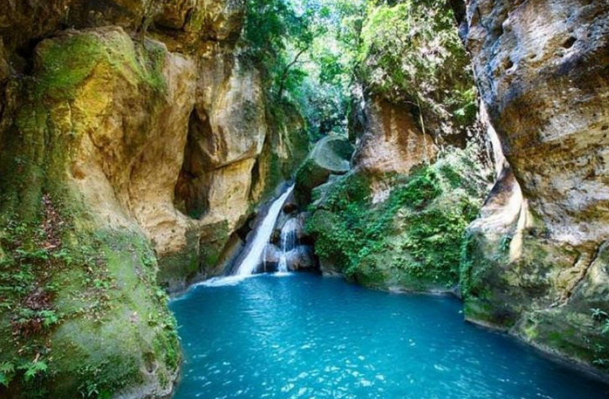
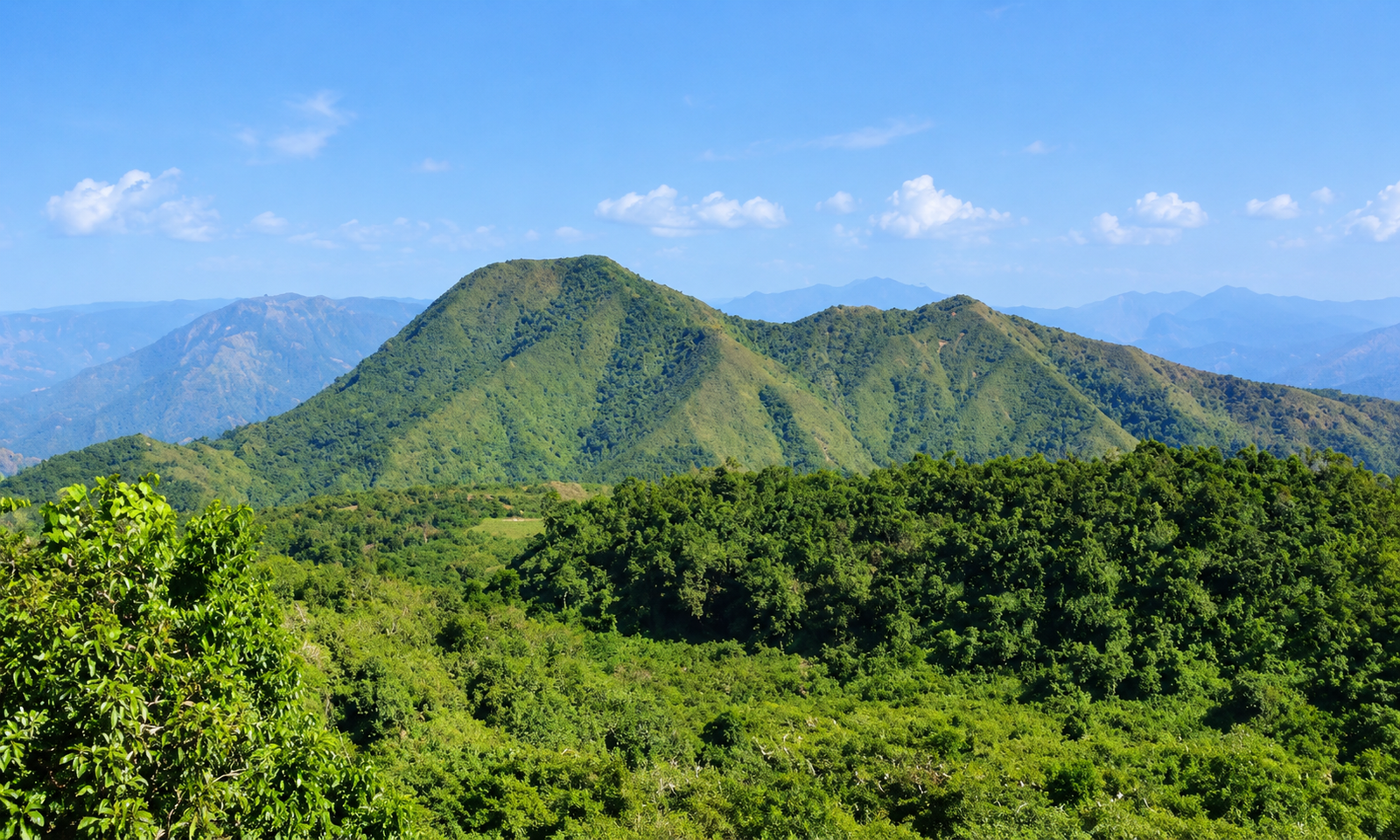
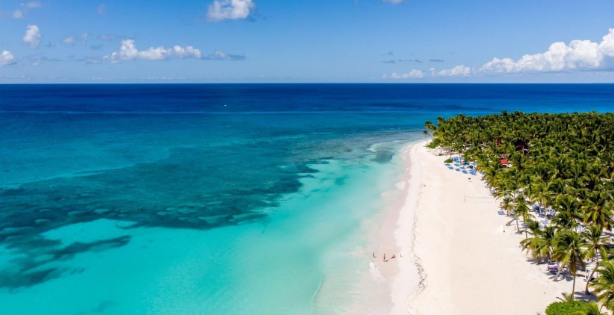
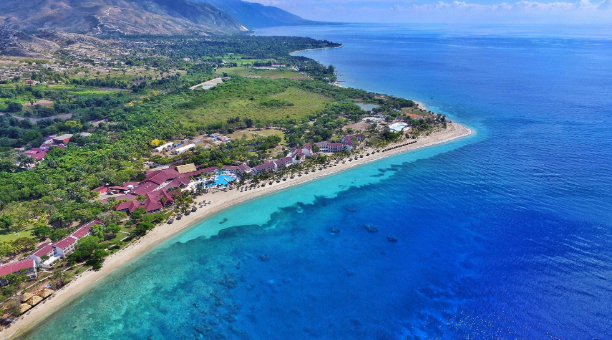
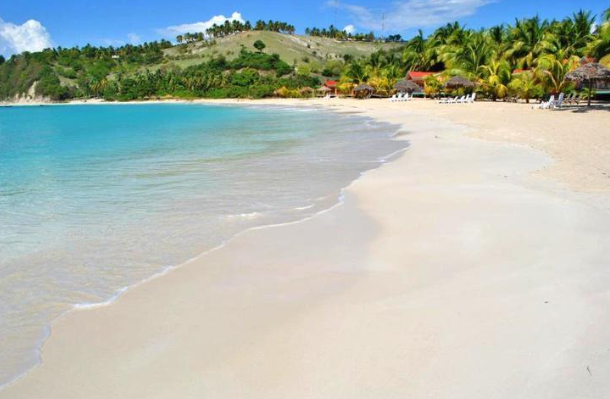
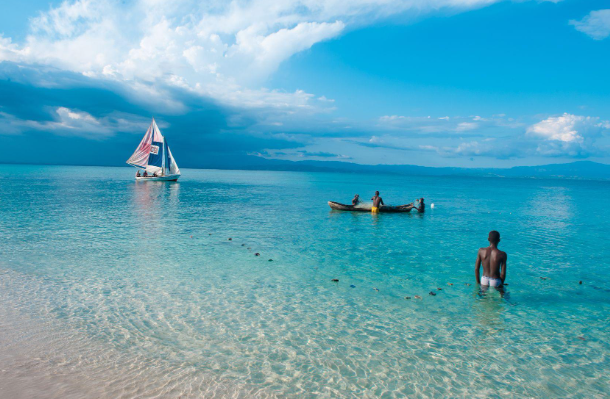
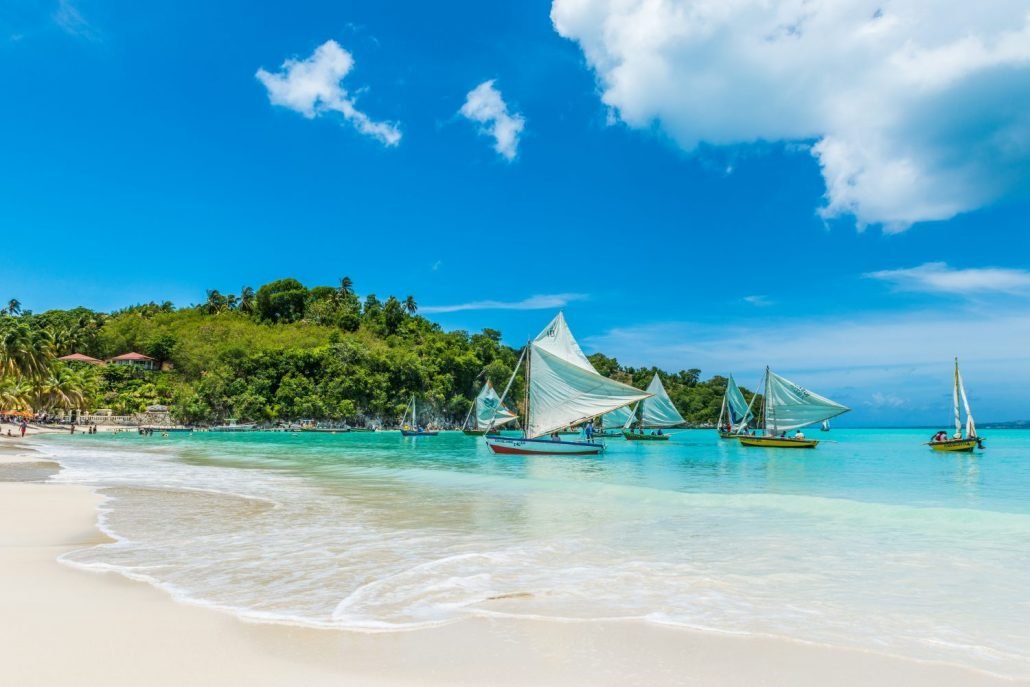
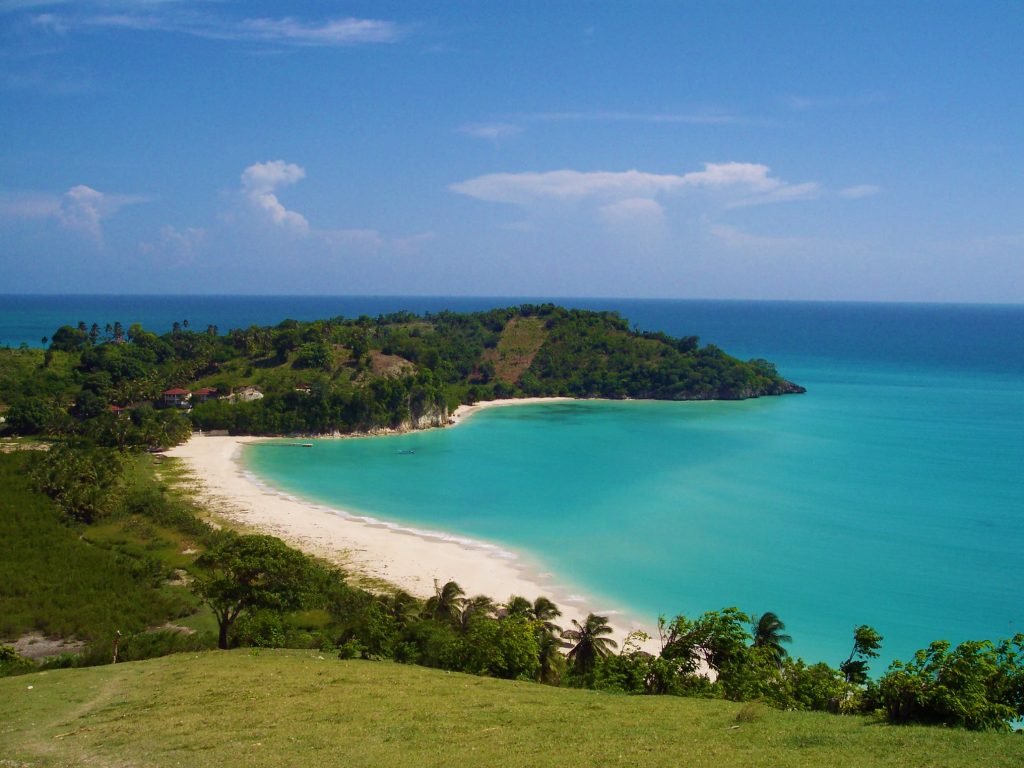
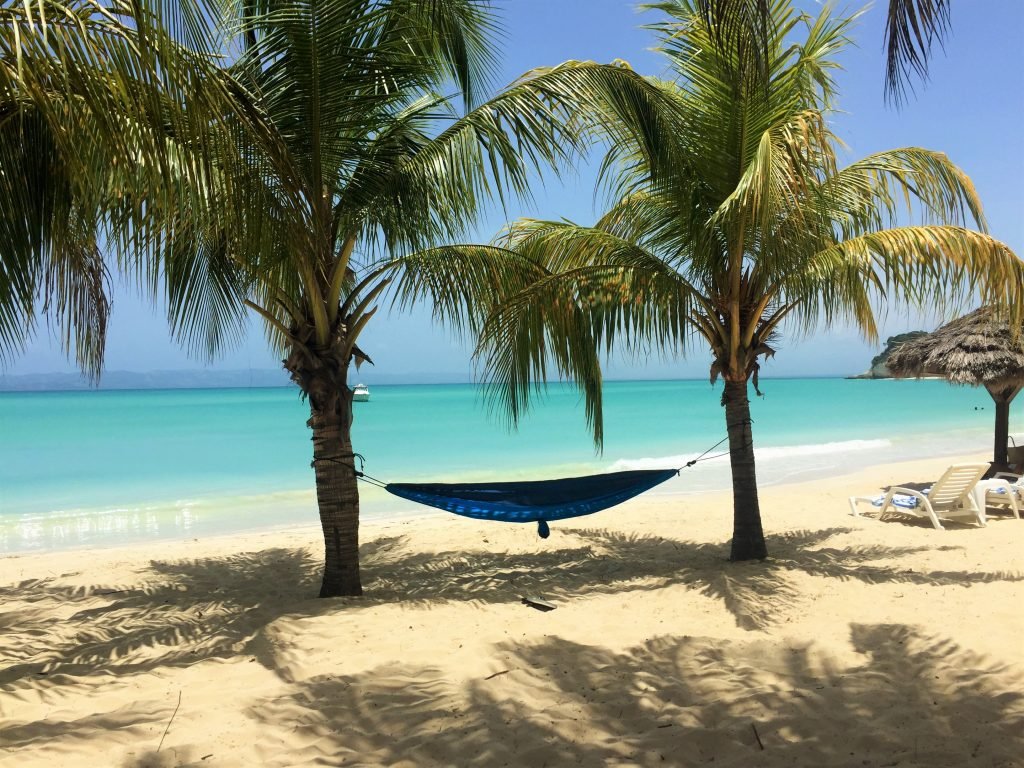
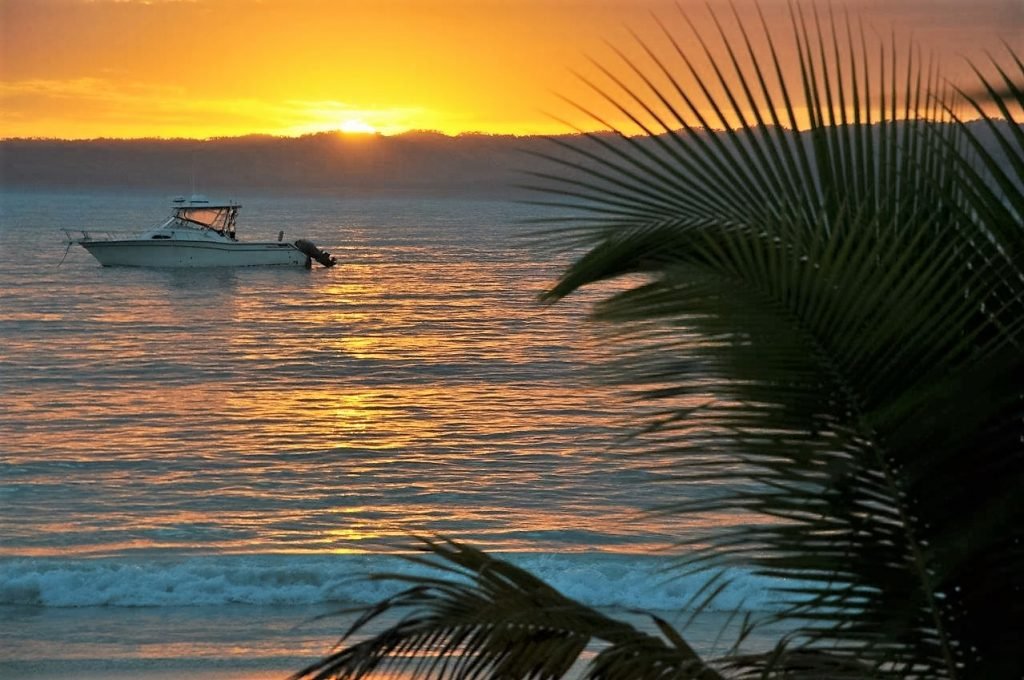
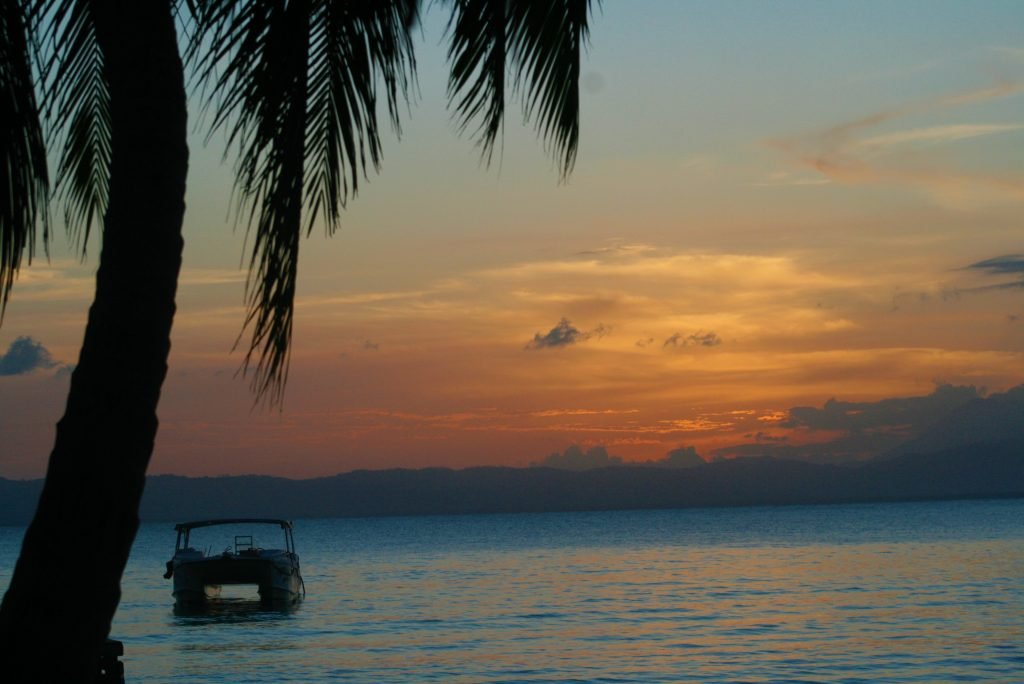
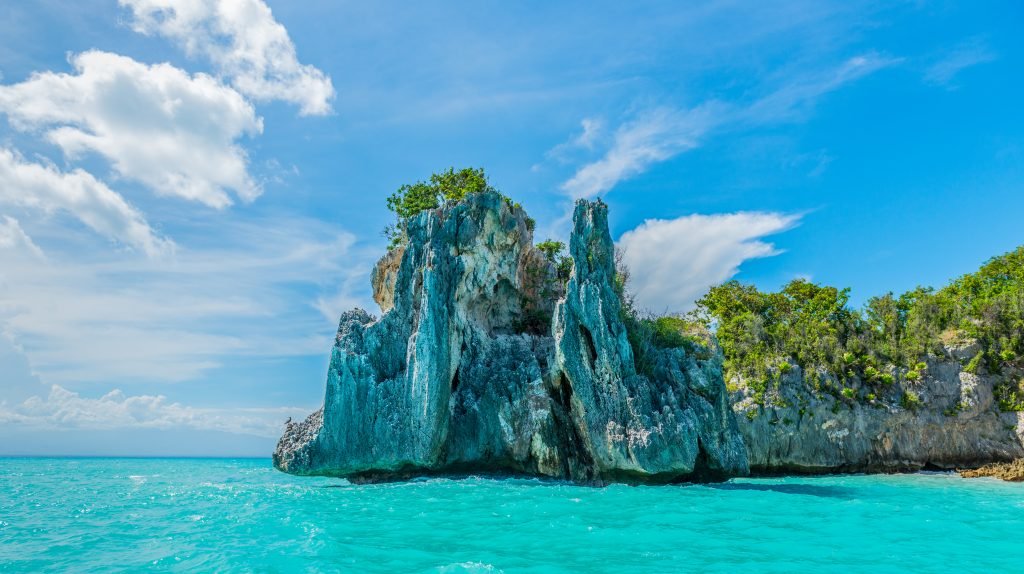
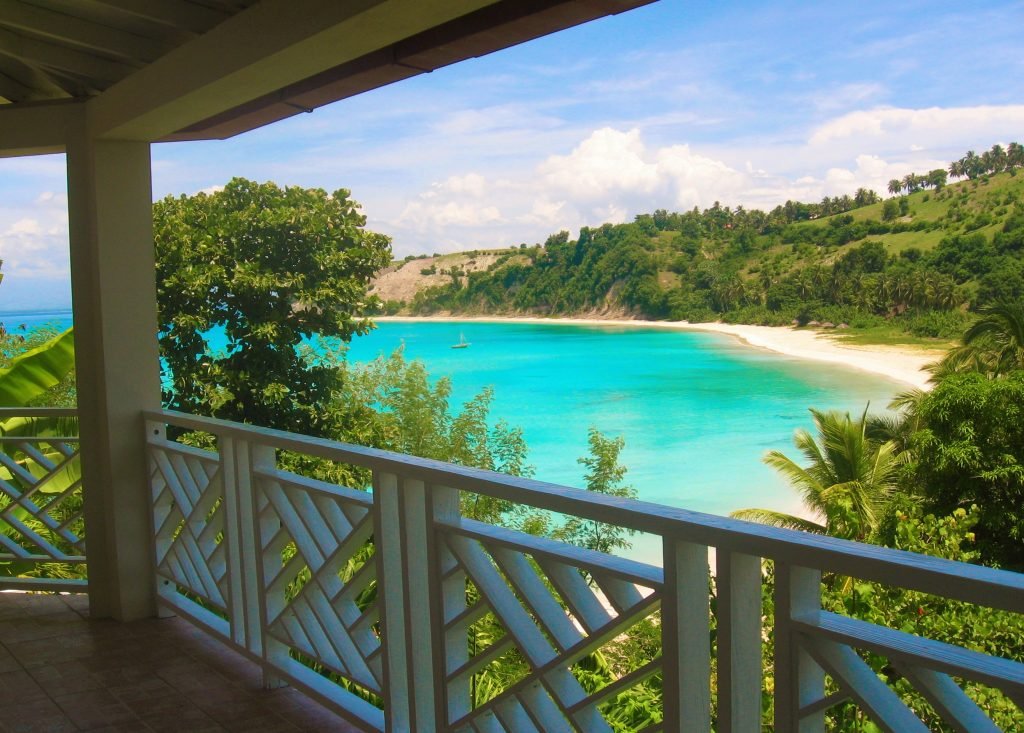
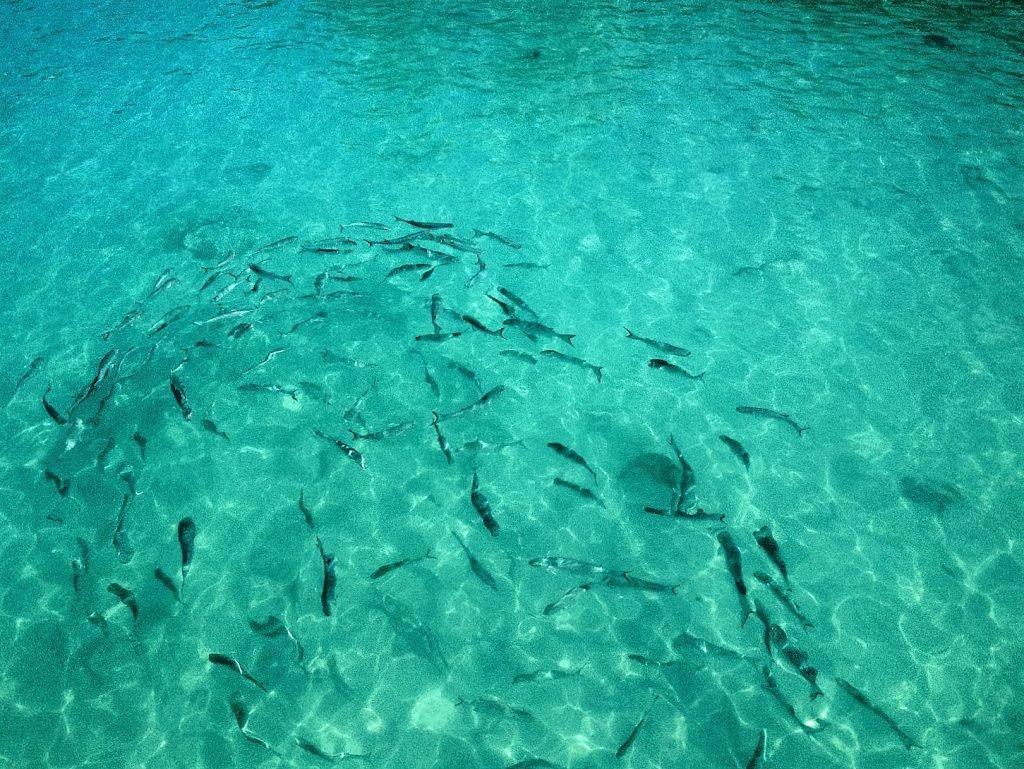
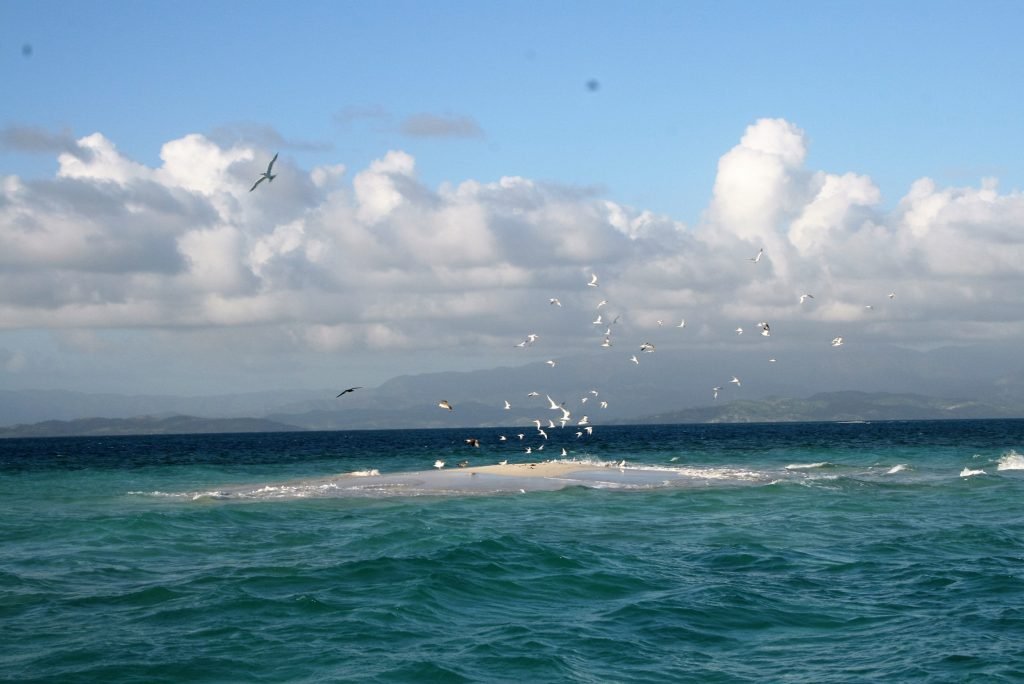
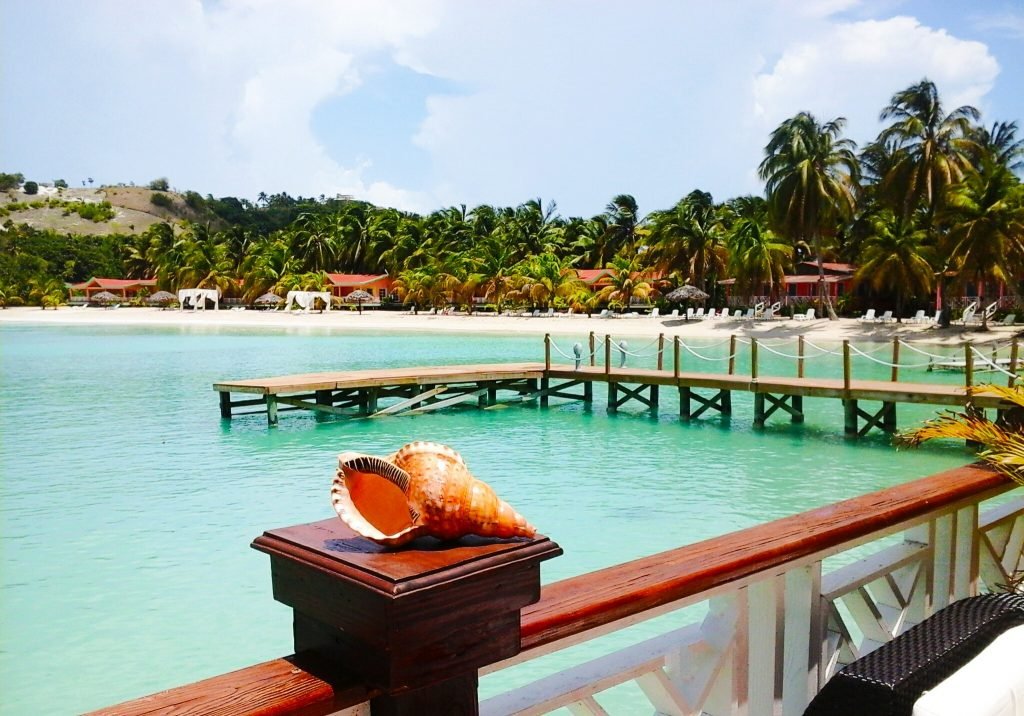
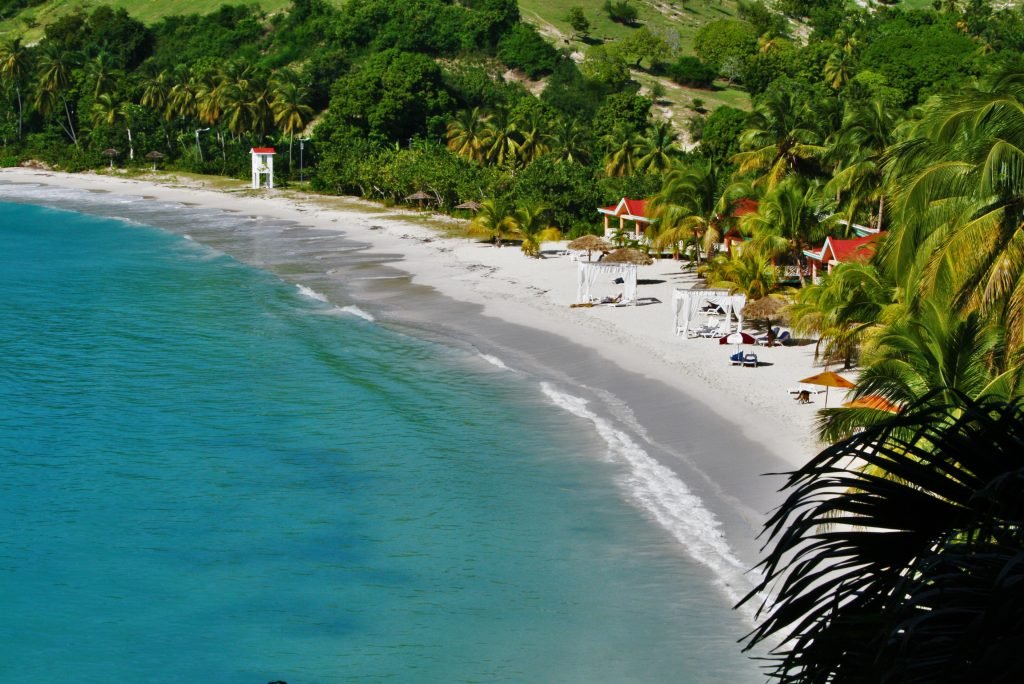
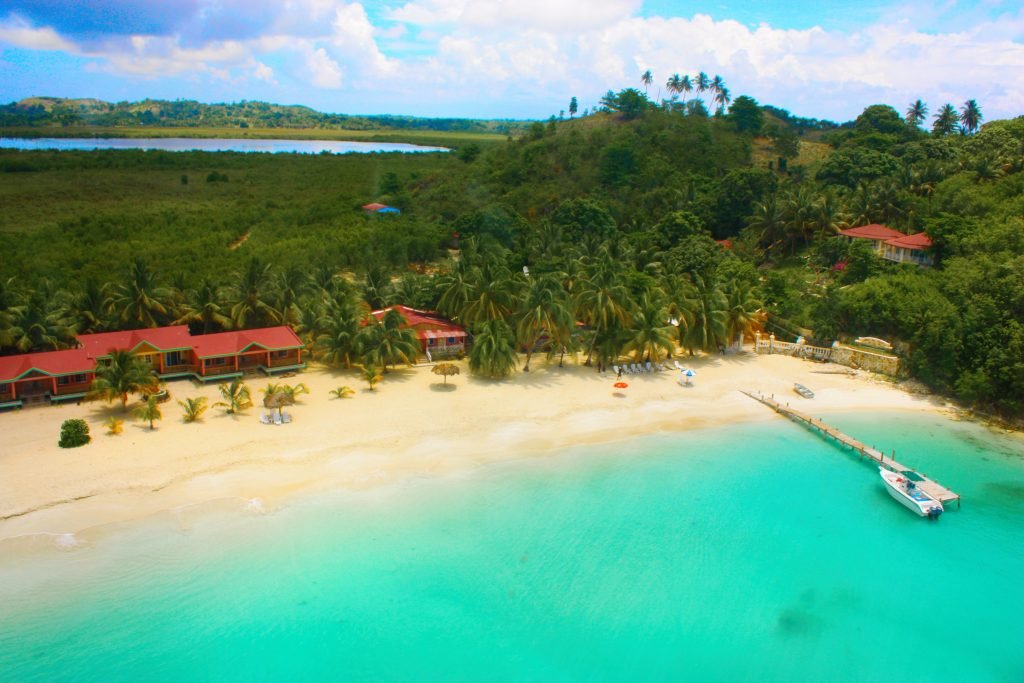
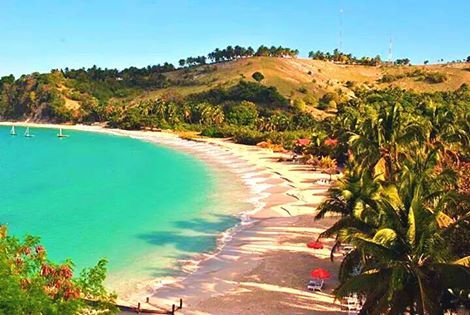
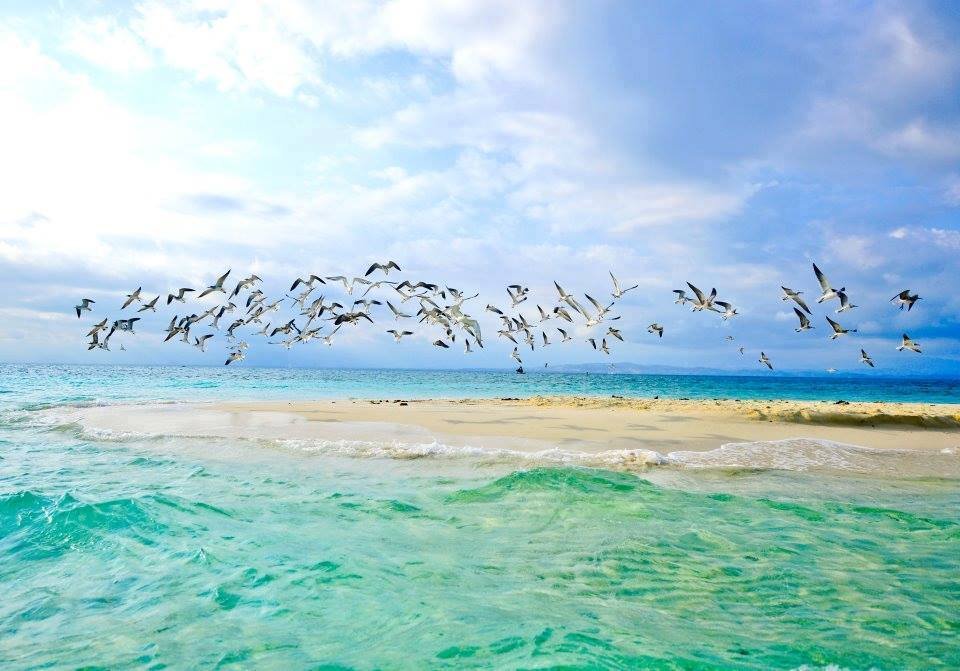
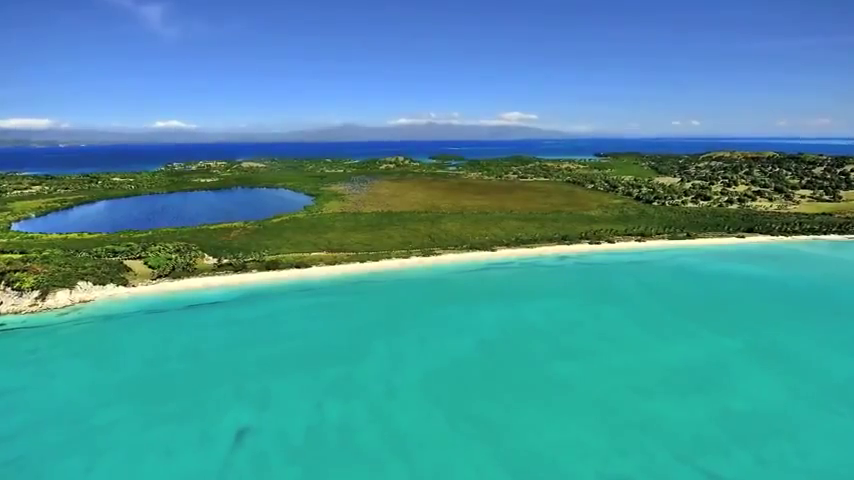
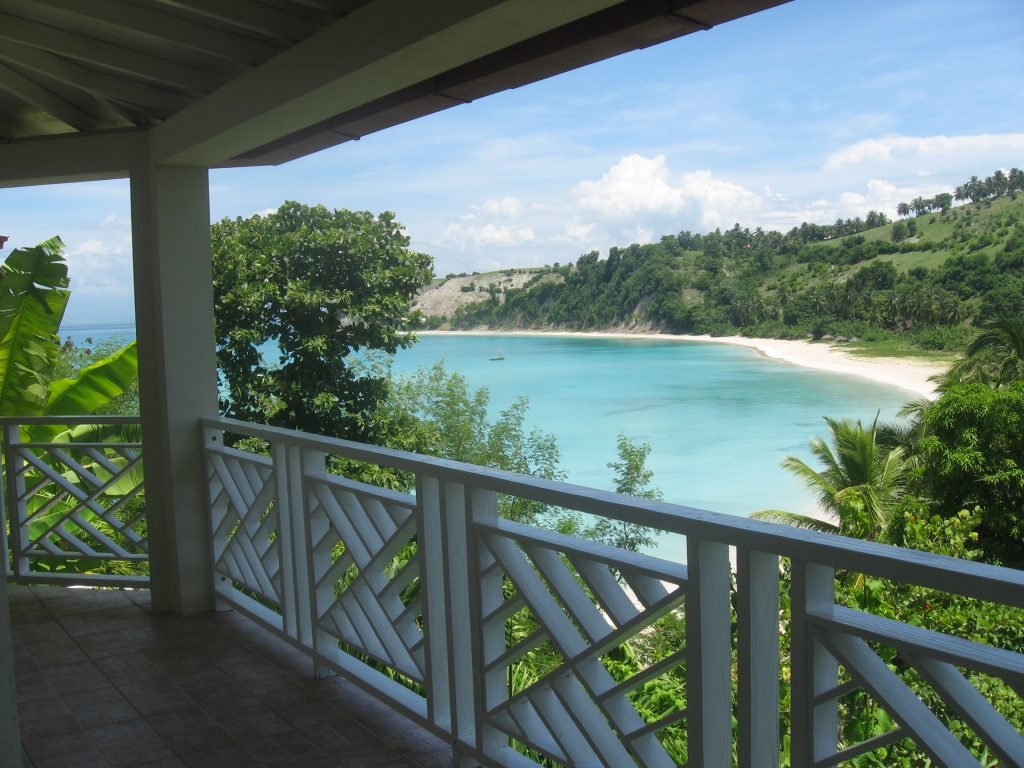
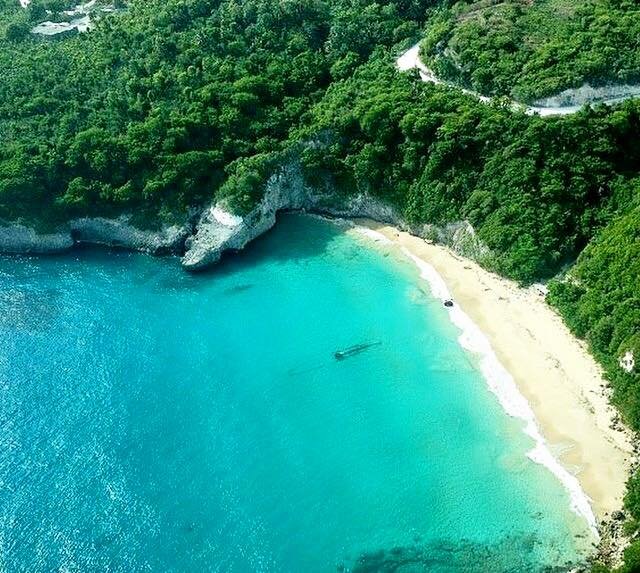
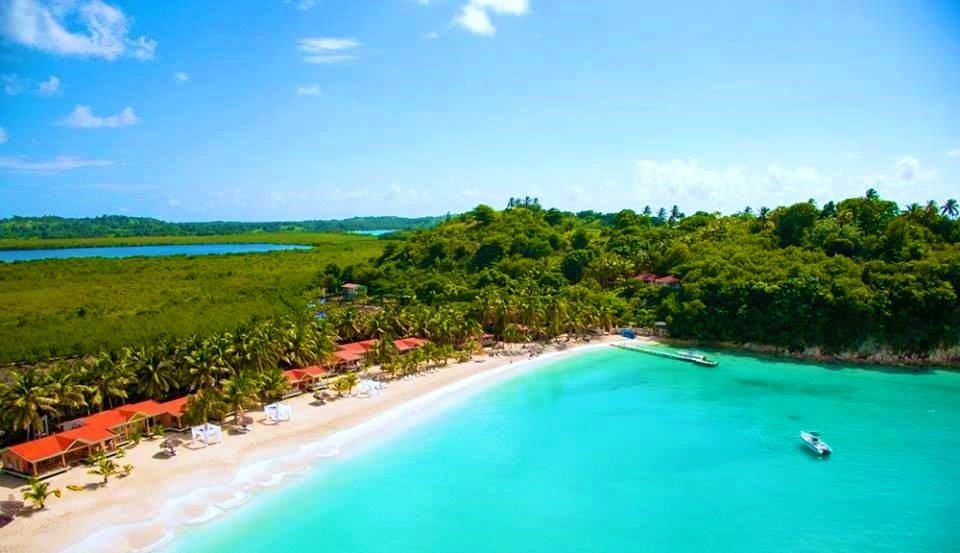
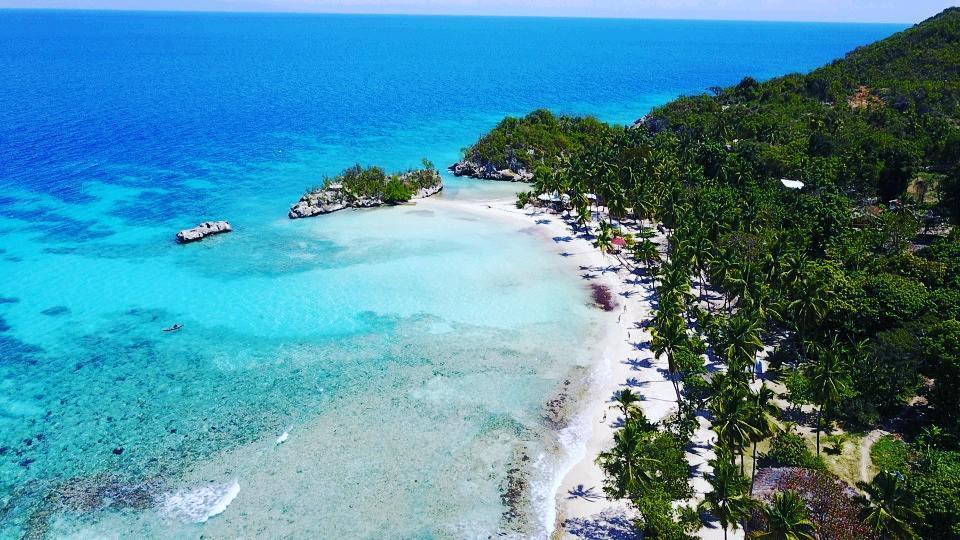
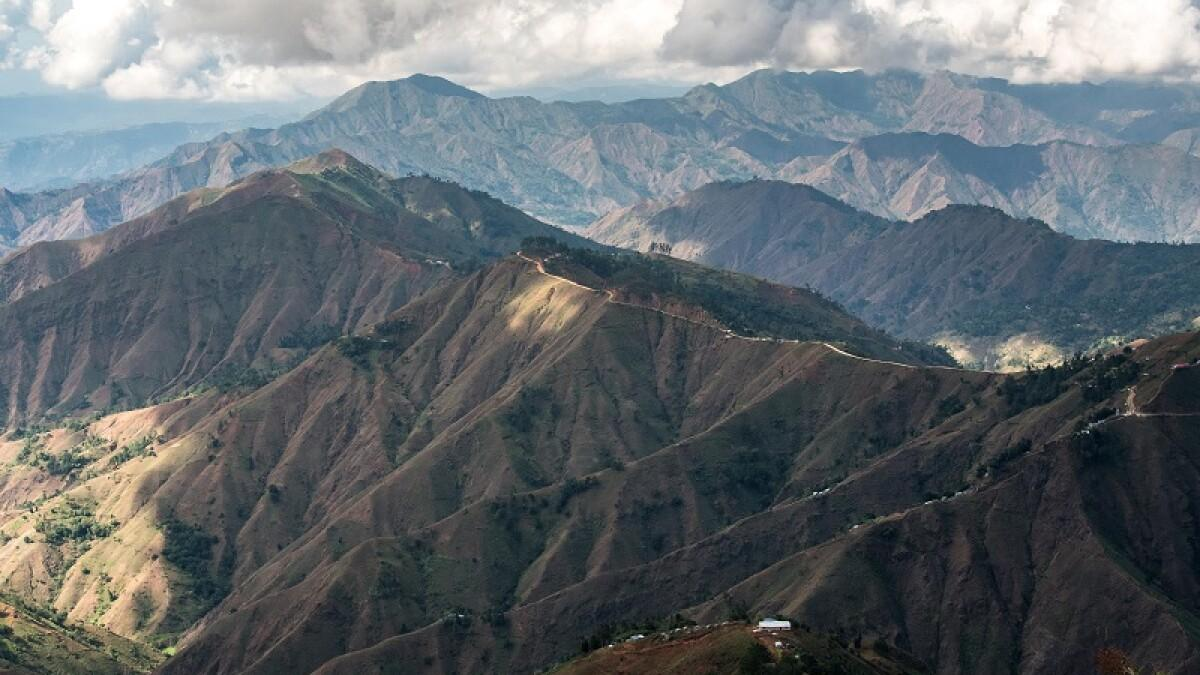
The name “Pearl of the Antilles” reflects more than Haiti’s extraordinary natural beauty, its mountains, turquoise waters, waterfalls, forests, and fertile valleys. It also speaks to the extraordinary wealth and importance that Saint-Domingue once held in the Caribbean.
But Haiti’s greatest treasure is its people and heritage.
From Toussaint Louverture, whose leadership challenged the institution of slavery, to Jean-Jacques Dessalines, who led the final struggle for independence, and to the heroes of Vertières, Haiti’s history carries a powerful message: freedom is worth fighting for.
The Haitian Revolution also changed the meaning of freedom in the Atlantic world. Haiti’s independence represented a direct challenge to colonialism and slavery and became an enduring inspiration to people seeking liberty across the Americas.
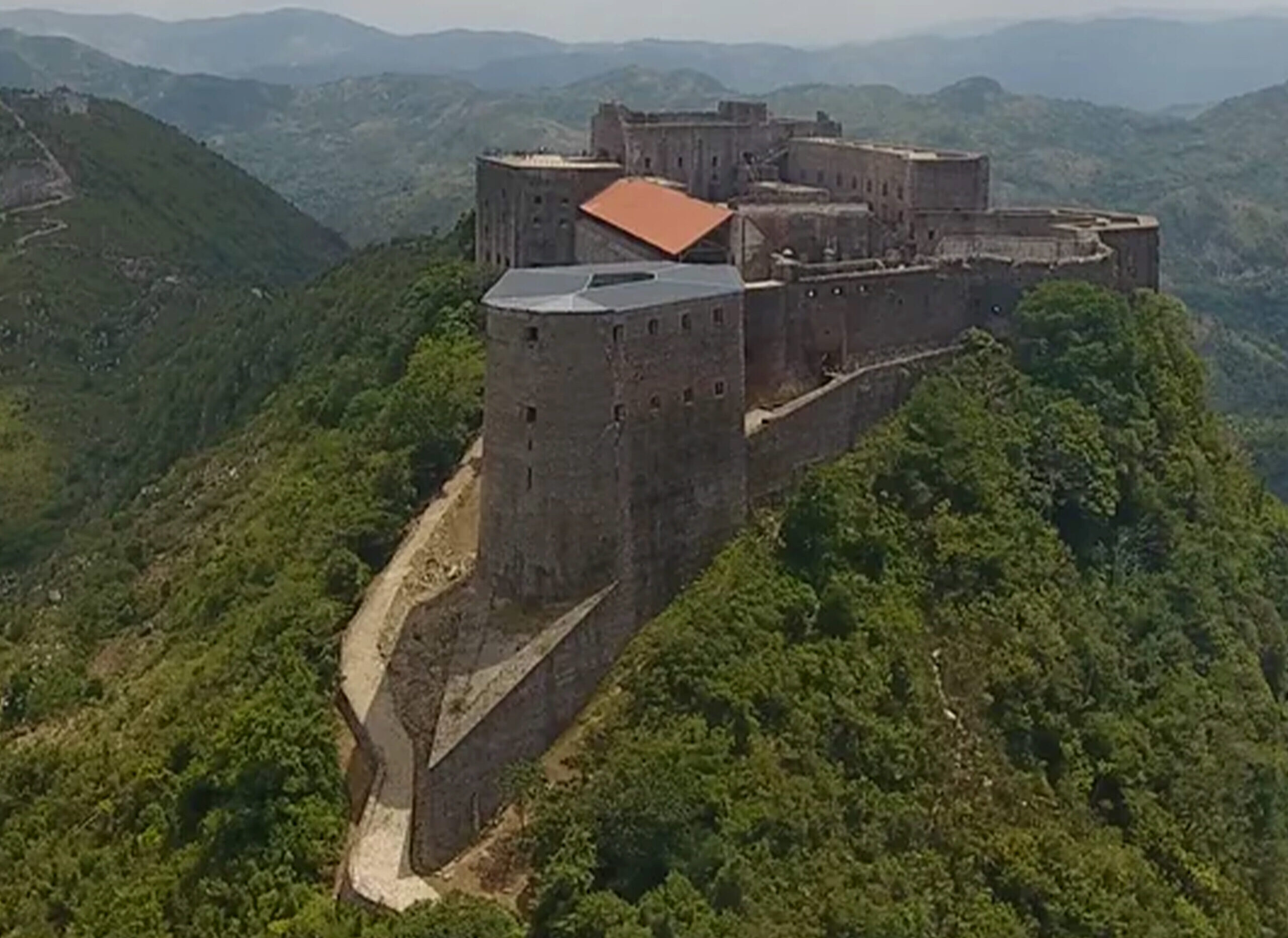
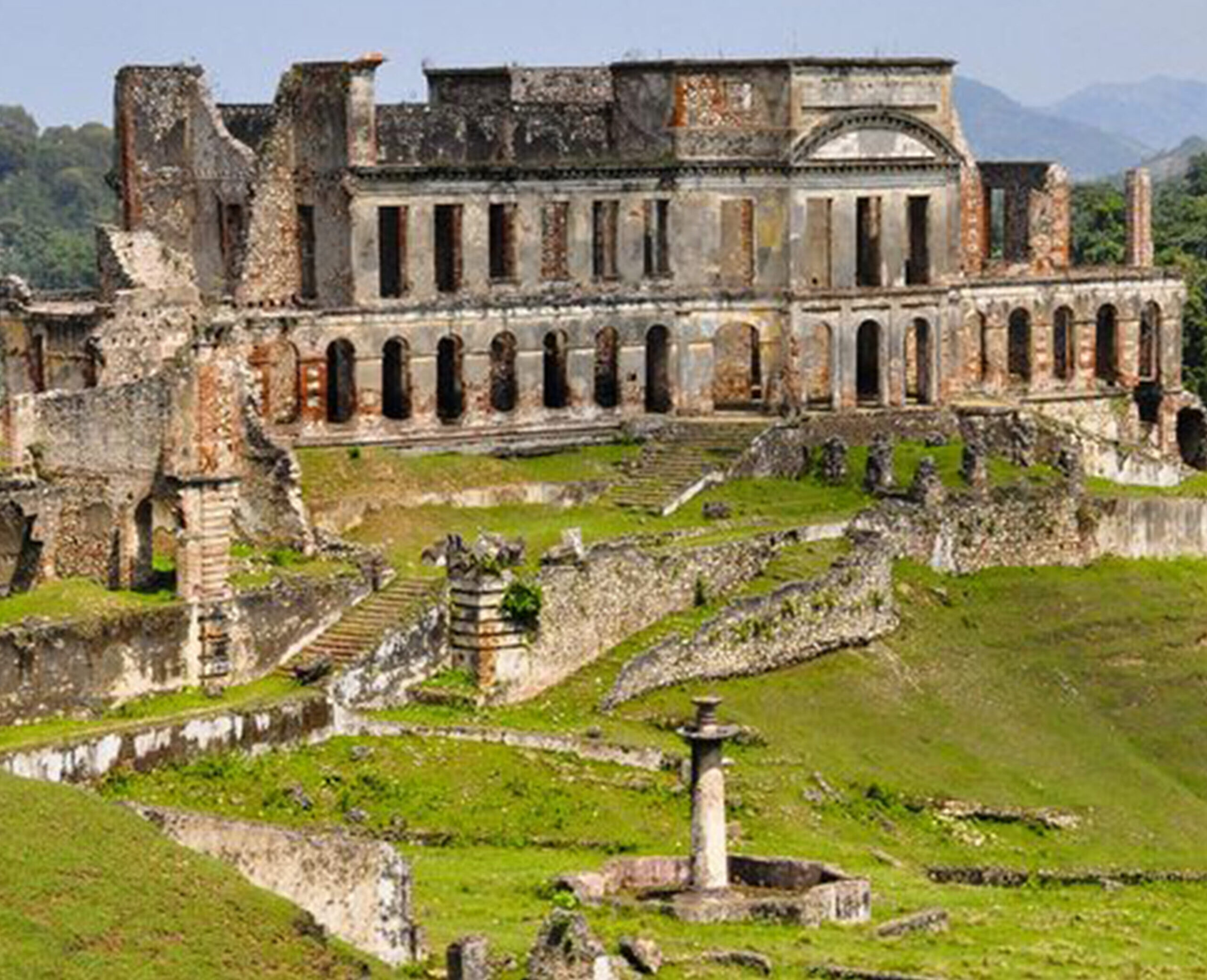
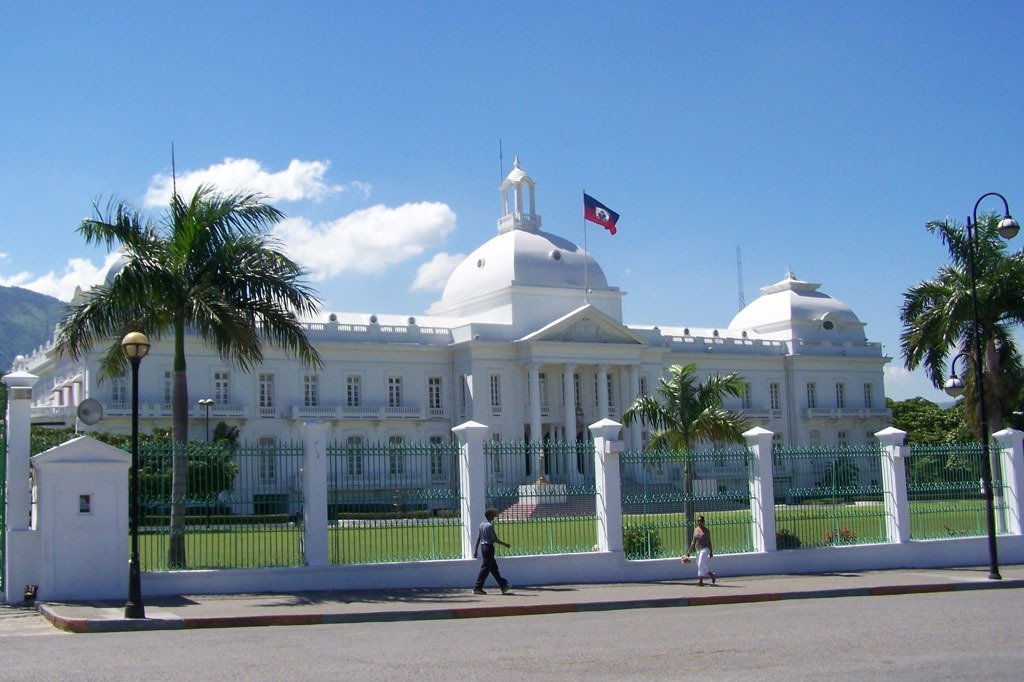
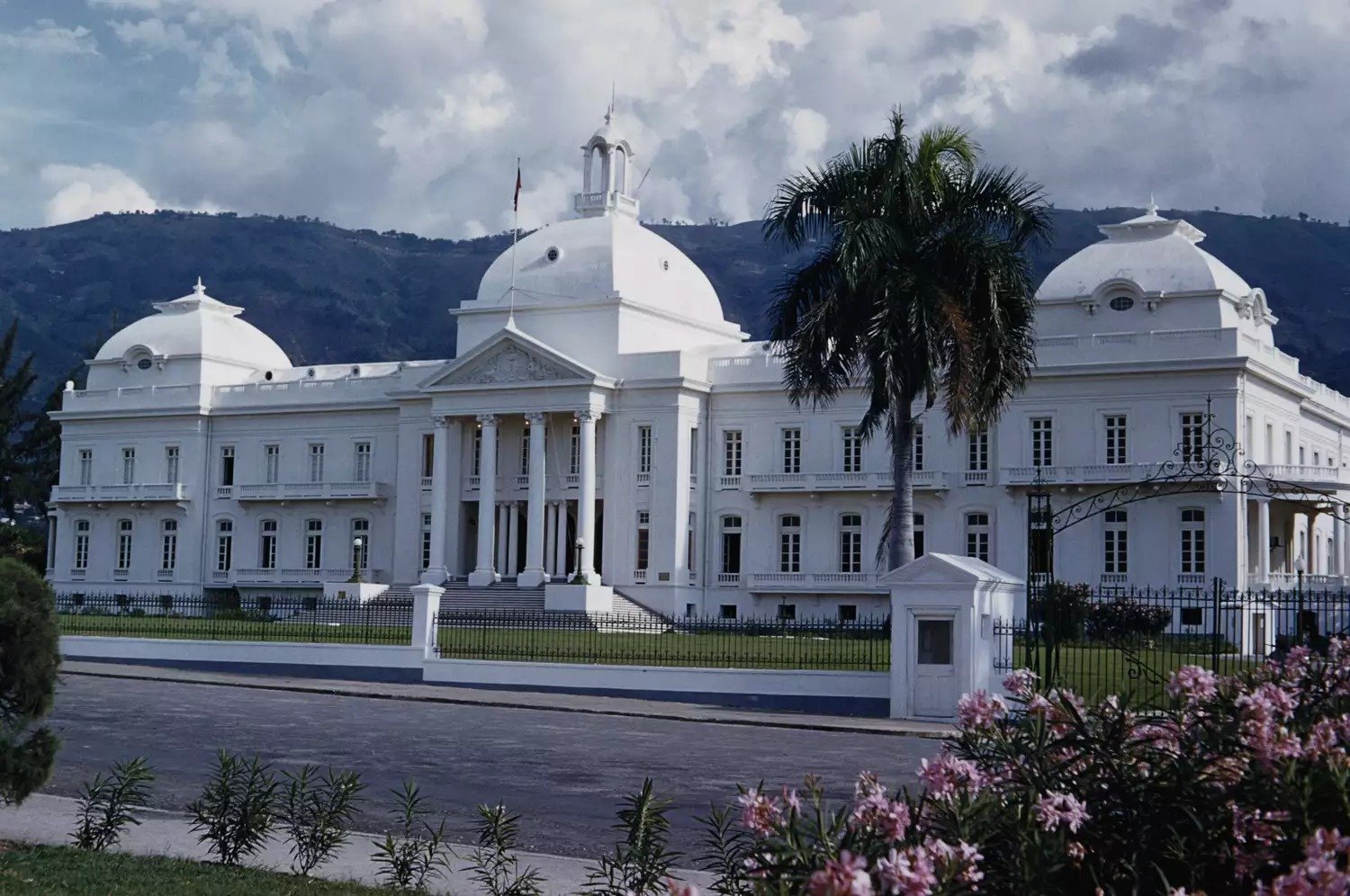
Today, Haiti’s heritage lives through its history, language, art, music, literature, cuisine, faith, architecture, and traditions. From the majestic Citadelle Laferrière to Sans-Souci, from the mountains of the north to the shores of the Caribbean, Haiti remains a country of remarkable historical and cultural richness.
Haiti is more than a place on a map. Haiti is a legacy. Haiti is a story of resistance. Haiti is a symbol of freedom.
Haiti — the Pearl of the Antilles.
Ayiti — the land of our ancestors.
1804 — the birth of a free nation.